Castro Heights, Richmond
Updated · 218 residents
Castro Heights is a secluded, low-density residential neighborhood in Richmond, California, known for its quiet atmosphere and scenic surroundings. The area offers a high degree of privacy and excellent pet friendliness, though residents rely on vehicles for daily errands due to limited local walkability and business infrastructure.
Key Highlights
About Castro Heights
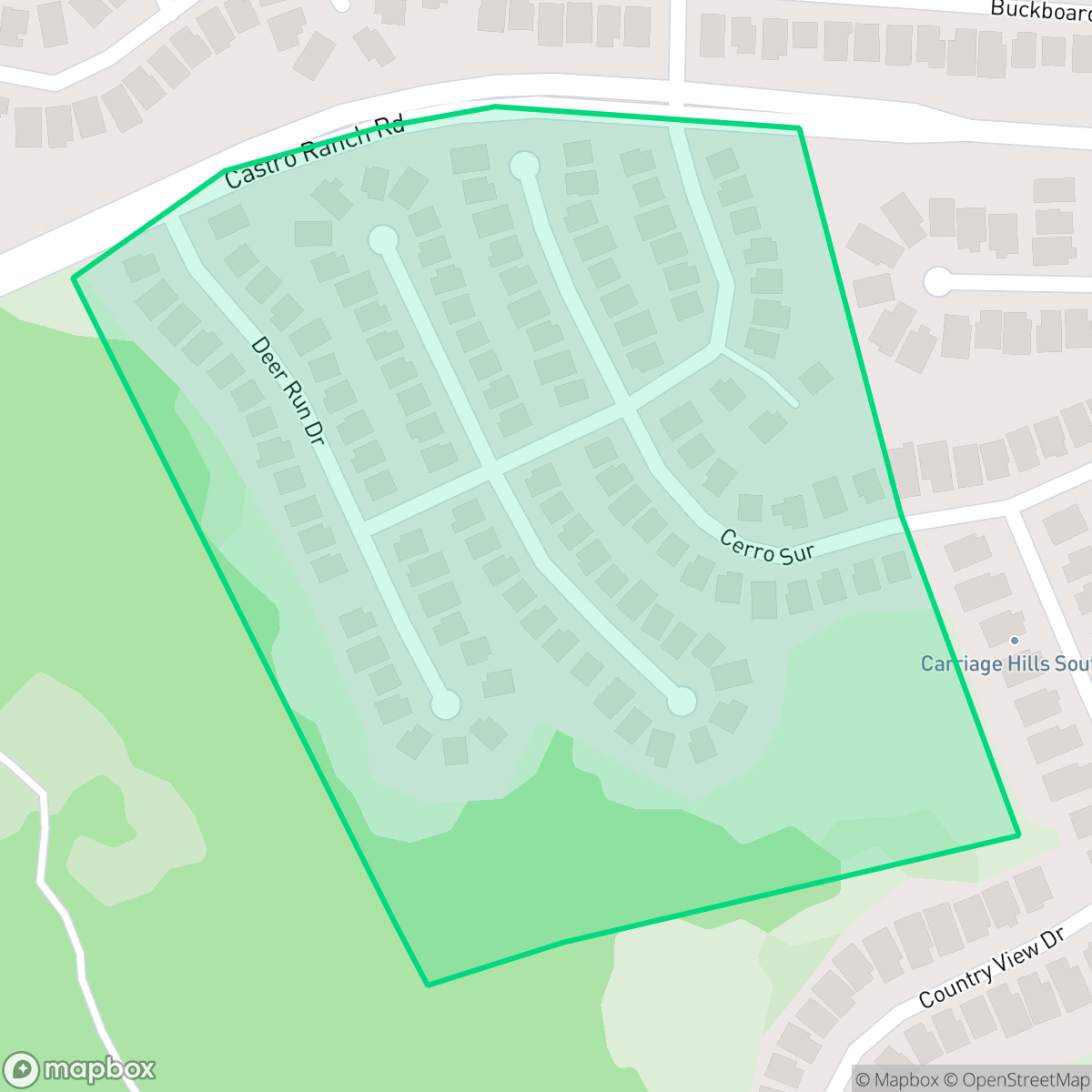
Castro Heights is a quiet, low-density residential enclave situated in the hills of Richmond. The neighborhood is defined by its rural feel and visual appeal, offering residents a peaceful environment with minimal industrial presence. It is characterized by spacious surroundings and low noise levels, making it a stark contrast to the more urbanized parts of the city. This area is well-suited for those who prioritize tranquility and outdoor access, particularly pet owners, as the environment is highly conducive to keeping animals.
Living in this neighborhood requires a car, as the area lacks a commercial core and has limited walkability. Families should be aware that the local school district faces significant academic and financial challenges, which may impact educational planning. Prospective residents should also consider that the area is situated in a high-risk zone for wildfires, necessitating careful attention to local safety protocols and insurance considerations.
Neighborhood Scores Across 15 Qualities
Residential spacing provides a moderate level of buffer between neighbors, which is notably higher than the average for Richmond. This layout offers a more balanced separation between properties than is typically found across the city.
Walking is possible due to low traffic volumes, though the lack of sidewalks makes it less pedestrian-friendly than the Richmond average. According to iHuus data, the area lacks dedicated pedestrian infrastructure.
Large residences and frequent upscale amenities provide a more polished streetscape than the Richmond average, according to iHuus data. Spacious driveways and well-maintained properties contribute to a high level of visual interest throughout the area.
Abundant large parks, trails, and open spaces provide significant opportunities for pet owners. According to iHuus data, the level of accessibility to these areas is much higher than the Richmond average.
Extensive greenery and undeveloped land characterize this area, providing a much more rural environment than the Richmond average according to iHuus data.
Low density and limited commercial activity make this a quiet, remote area that requires a vehicle for most errands. This neighborhood is less lively than the Richmond average, characterized by significant open space rather than concentrated business hubs.
Ambient noise is minimal and primarily consists of natural elements like wind and birdsong. According to iHuus data, acoustic comfort in this area is significantly higher than the Richmond city average.
Air quality remains consistently high with infrequent periods of poor ventilation. This level of cleanliness is nearly on par with the Richmond average according to iHuus data.
Industrial activity and warehouse facilities are entirely absent from this area. According to iHuus data, the neighborhood offers a significant departure from the more industrial-heavy parts of Richmond.
Health insurance access is very high among residents, significantly exceeding the Richmond average according to iHuus data.
Voting patterns and census indicators show a highly liberal political leaning that is consistent with the broader Richmond area, according to iHuus data.
Residents live among a diverse age range, featuring a more balanced spread of young adults, families, and seniors than the Richmond average. According to iHuus data, this creates a demographic variety that avoids being dominated by any single age group.
Flood risk is notable in this area as parts of the neighborhood fall within a designated floodplain. According to iHuus data, this risk level is higher than the Richmond city average, often necessitating flood insurance for properties.
High fire hazards exist throughout this area, which is consistent with the broader risk levels seen across Richmond. Residents should be aware of significant fire safety concerns according to iHuus data.
Address-Level Insights for Castro Heights


iHuus Neighborhood Intelligence Insights
Get address-level neighborhood insights for Castro Heights
- Street-level scores — see how individual blocks compare, not just neighborhood averages
- Micro-zone boundaries — identify quiet pockets, flood boundaries, and walkable clusters before you visit
- 15 dimensions in full — walkability, noise, air quality, school quality, insurance coverage, population age profile, urban/rural index, and more
- Boundary risk alerts — know if your address sits near a block boundary where scores drop, the kind of detail no listing will ever mention
- School insights — individual school ratings and insights, not just district-level data
- Compare before you commit — side-by-side data across neighborhoods, down to block precision
No credit card required
Compare with Any Neighborhood
| Dimension | Castro Heights | Atchison Village |
|---|---|---|
| 🚶 Walkabilityavg 8.38 | ||
| 🔊 Acoustic Comfortavg 2.96 | ||
| 🤫 Privacy Indexavg 4.19 | ||
| 🎨 Visual Appealavg 5.97 | ||
| 🐕 Dog Friendlinessavg 6.4 | ||
| 🗺️ Urban-Rural Indexavg 6.62 | ||
| ✨ Neighborhood Vibeavg 4.2 | ||
| 🏥 Health Insurance Coverageavg 7.31 | ||
| 🌿 Air Qualityavg 8.35 | ||
| 🏭 Industrial Proximityavg 7.37 | ||
| 🌊 Flood Safetyavg 2.2 | ||
| 🗳️ Ideological Leanavg 9.87 | ||
| 👥 Population Age Profileavg 4.89 | ||
| 🔥 Fire Safetyavg 0.24 | ||
| 🏫 School Quality |
Castro Heights Rankings
School Districts Serving Castro Heights
School Insights for Castro Heights
Below average outcomes; significant attendance and academic challenges.
School Insights
See what's really behind every school rating near Castro Heights
- Individual school ratings — each school's own score with outcome context, not just a district average
- Enrollment & class size data — student-to-teacher ratio and how it compares to the state average
- Full demographics breakdown — ethnicity and gender composition for every school in the enrollment zone
- Every school in the district — all schools within the enrollment boundary ranked by rating, not just the closest one
- Grade levels & benchmarks — elementary through high school, with below/above state-average flags
No credit card required