Ribault, Jacksonville
Updated · 2,385 residents
Ribault is a quiet, semi-rural residential community northwest of downtown Jacksonville, defined by its mid-century architecture and proximity to the Ribault River. The area offers a peaceful, low-density atmosphere with abundant green space and a strong sense of privacy for its residents.
Key Highlights
About Ribault
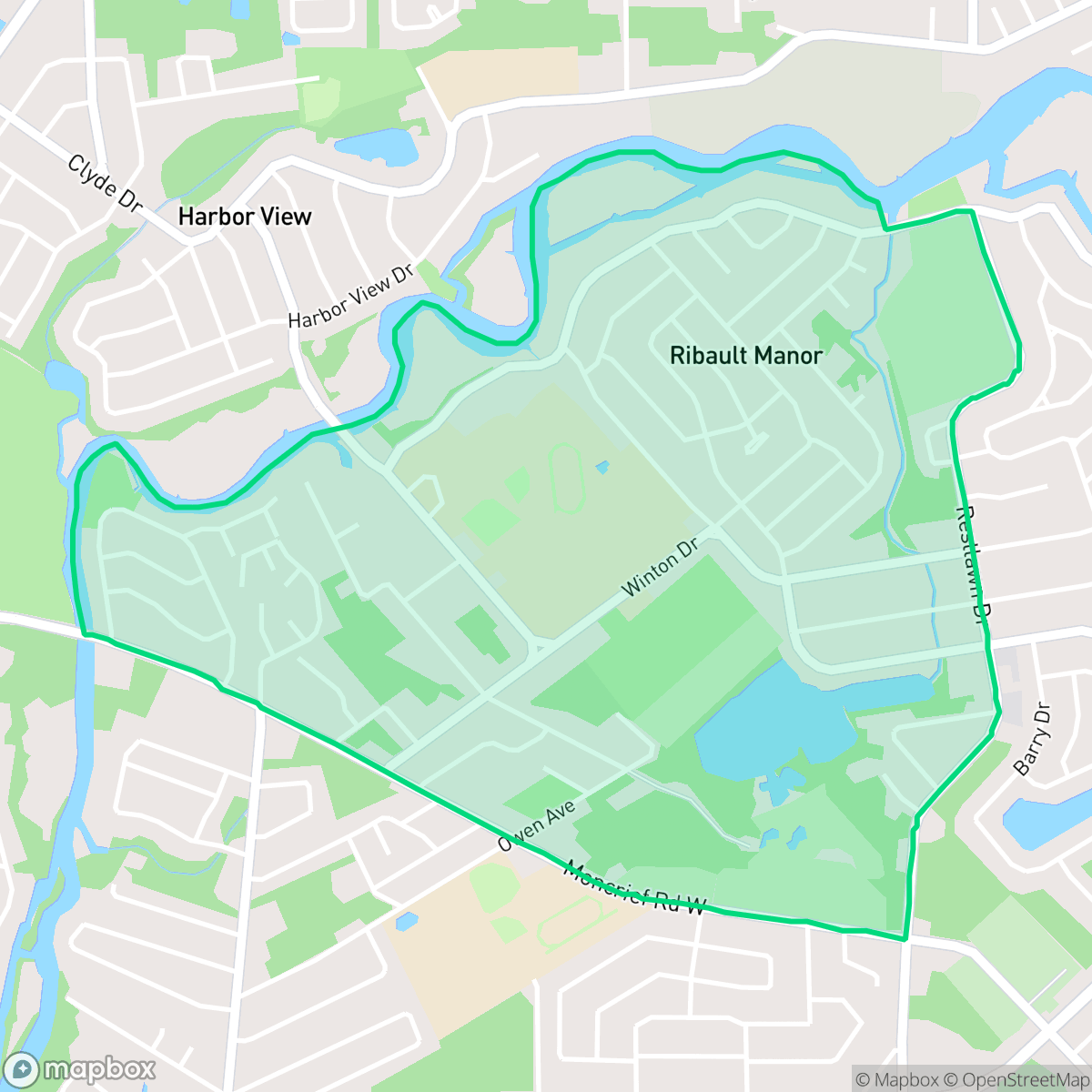
Located five miles northwest of downtown Jacksonville, the Ribault neighborhood is situated along the Ribault River, a tributary of the Trout River named after the 16th-century French explorer Jean Ribault. The area’s modern development accelerated after World War II, particularly with the 1950s construction of the Lake Forest Hills subdivision along Ribault Scenic Drive. Once a pecan grove, the area became a prominent destination for Black middle-class professionals during the 1960s, following the urban renewal of the downtown Sugar Hill community. The neighborhood is characterized by its mid-century ranch and split-level housing stock. Today, the community faces significant environmental challenges due to its low-lying, marshy topography, which makes it highly susceptible to flooding, a vulnerability addressed by the 2002 establishment of the 39-acre Ribault River Preserve.
The area maintains a calm, suburban character characterized by its mid-century ranch and split-level homes. It functions as a quiet retreat, free from the noise and activity of heavy industrial zones, which contributes to a peaceful acoustic environment. The landscape features significant tree canopy and open land, creating a semi-rural feel that distinguishes it from more densely developed parts of the city. According to iHuus data, the neighborhood provides a higher level of residential privacy than the Jacksonville average.
Residents benefit from a diverse age demographic, though the low-lying topography requires awareness of flood risks. While the neighborhood lacks significant commercial activity, its quiet streets and proximity to natural areas like the Ribault River Preserve make it a suitable choice for those prioritizing a tranquil, nature-oriented lifestyle. Families should note that while the broader Duval County school district offers high-performing magnet programs, access to these resources depends on specific zoning and individual school placement.
Neighborhood Scores Across 15 Qualities
Detached homes provide standard suburban spacing with a buffer between neighbors. According to iHuus data, this level of privacy and density is notably higher than the Jacksonville average.
Low-traffic residential streets and cul-de-sacs provide a safe environment for walking, even though formal sidewalk infrastructure is limited along major roads. According to iHuus data, the neighborhood offers better walkability than the Jacksonville average.
Standard single-family homes with small yards and occasional backyard pools provide a visual landscape that is more varied than the Jacksonville average. According to iHuus data, the area features typical suburban architecture with tidy lots.
Abundant natural green spaces and wooded setbacks near the river offer much better opportunities for pet exercise than the Jacksonville average. Wide, grassy verges between roads provide relatively safe paths for short walks throughout the area.
Frequent open land and scattered homes amidst significant tree canopy create a landscape more rural than the Jacksonville average. This low-density residential layout provides a sense of openness through widespread woodland and fields.
Primarily composed of established housing blocks and leafy tree canopies, this area offers a calm atmosphere with very little commercial activity. While the neighborhood features more local character than many other parts of Jacksonville, residents will find few points of interest or street life nearby.
Acoustic levels remain notably low, characterized by only occasional distant traffic or infrequent train sounds. This area offers a much more peaceful atmosphere than the typical Jacksonville neighborhood according to iHuus data.
Air quality in this area fluctuates between acceptable and unhealthy levels, presenting occasional concerns for sensitive groups. According to iHuus data, the air quality is notably better than the Jacksonville average.
Land use in this area is strictly residential, commercial, and natural, with no detected warehouses or industrial hazards. This absence of manufacturing facilities makes the neighborhood significantly quieter and cleaner than the Jacksonville average.
Health insurance accessibility in this area is slightly above the Jacksonville average. According to iHuus data, a notable portion of the population remains uninsured.
Voting patterns and census indicators reflect a much more liberal leaning than the Jacksonville average, according to iHuus data.
Residents live alongside a broad range of age groups, including young adults and families. According to iHuus data, this demographic spread is significantly more varied than the city average.
Flood risk levels in this area are slightly higher than the Jacksonville average, though official FEMA studies for the neighborhood remain incomplete. Residents should exercise caution as specific flood hazard details are currently undetermined.
Address-Level Insights for Ribault


iHuus Neighborhood Intelligence Insights
Get address-level neighborhood insights for Ribault
- Street-level scores — see how individual blocks compare, not just neighborhood averages
- Micro-zone boundaries — identify quiet pockets, flood boundaries, and walkable clusters before you visit
- 15 dimensions in full — walkability, noise, air quality, school quality, insurance coverage, population age profile, urban/rural index, and more
- Boundary risk alerts — know if your address sits near a block boundary where scores drop, the kind of detail no listing will ever mention
- School insights — individual school ratings and insights, not just district-level data
- Compare before you commit — side-by-side data across neighborhoods, down to block precision
No credit card required
Compare with Any Neighborhood
| Dimension | Ribault | 29th and Chase |
|---|---|---|
| 🚶 Walkabilityavg 3.96 | ||
| 🔊 Acoustic Comfortavg 4.37 | ||
| 🤫 Privacy Indexavg 4.3 | ||
| 🎨 Visual Appealavg 4.24 | ||
| 🐕 Dog Friendlinessavg 4.28 | ||
| 🗺️ Urban-Rural Indexavg 5.22 | ||
| ✨ Neighborhood Vibeavg 1.5 | ||
| 🏥 Health Insurance Coverageavg 4.35 | ||
| 🌿 Air Qualityavg 3.84 | ||
| 🏭 Industrial Proximityavg 5.11 | ||
| 🌊 Flood Safetyavg 4.01 | ||
| 🗳️ Ideological Leanavg 2.75 | ||
| 👥 Population Age Profileavg 3.26 | ||
| 🔥 Fire Safety | ||
| 🏫 School Quality |
Ribault Rankings
School Districts Serving Ribault
School Insights for Ribault
Below average outcomes; significant attendance and academic challenges.
School Insights
See what's really behind every school rating near Ribault
- Individual school ratings — each school's own score with outcome context, not just a district average
- Enrollment & class size data — student-to-teacher ratio and how it compares to the state average
- Full demographics breakdown — ethnicity and gender composition for every school in the enrollment zone
- Every school in the district — all schools within the enrollment boundary ranked by rating, not just the closest one
- Grade levels & benchmarks — elementary through high school, with below/above state-average flags
No credit card required