Oval Park, Visalia
Updated · 2,816 residents
Oval Park is defined by its historic central traffic circle and green space, serving as a landmark for this established Visalia community. The area features a dense mix of single-family homes and multi-unit residences, though residents should expect significant road noise and limited privacy due to the close proximity of neighboring structures.
Key Highlights
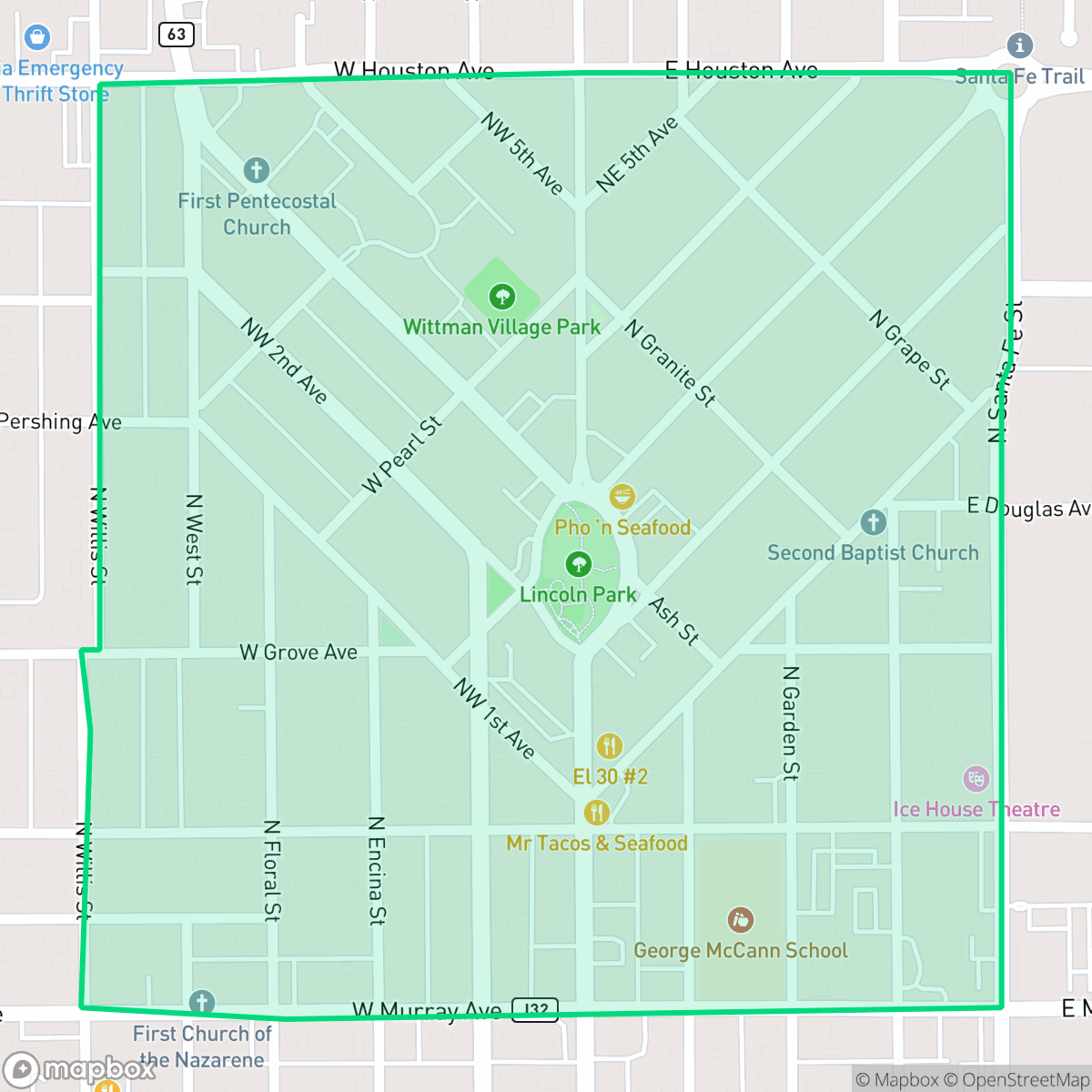
About Oval Park
Oval Park, also known as Lincoln Oval Village, is Visalia’s oldest neighborhood. The community centers around Lincoln Oval Park, a 5.5-acre green space situated inside a traffic circle. In 1897, Visalia’s first dedicated high school opened on this site, later operating as Lincoln Grammar School before its demolition in 1922. The city subsequently designated the vacant parcel as a public park, which initially suffered from neglect and was even used as livestock grazing land. Architecturally, the neighborhood features early-20th-century single-family homes alongside a high concentration of multi-unit duplexes and small apartments. Historically, the neighborhood underwent a major transformation when the construction of Highway 63 bisected the community, physically separating its eastern and western sections.
The neighborhood maintains a distinct identity centered on its namesake park, which functions as a social focal point despite the physical divide created by Highway 63. The urban grid consists of a varied housing stock, including early 20th-century dwellings and smaller apartment complexes. Local amenities, such as St. Mary's Church and various neighborhood eateries, provide essential social hubs, while the grid layout offers a functional, if somewhat car-dependent, environment for residents.
Living in this area requires navigating specific environmental trade-offs, including elevated noise levels from nearby traffic and proximity to industrial zones on the eastern edge. While the central park offers a modest outdoor retreat, the limited private yard space and lower air quality scores may influence those prioritizing tranquility or extensive outdoor amenities. The neighborhood is best suited for individuals seeking an established, central location in Visalia who value proximity to local cultural landmarks over quiet, secluded suburban living.
Neighborhood Scores Across 15 Qualities
Residential spacing is fairly typical for the area, offering some buffer between neighbors without being overly secluded. According to iHuus data, density levels are roughly in line with the Visalia city average.
Pedestrian access is reliable due to a consistent grid of sidewalks and proximity to local retail, though the area is slightly less walkable than the Visalia average. Some larger blocks may require longer detours to find designated crossings.
Standard tract housing and multi-unit complexes dominate the landscape, featuring uniform rooflines and small yards. The visual variety in this area is lower than the Visalia average, as noted by iHuus data.
Walking opportunities for pets are limited by narrow sidewalk verges, though the central park area and nearby school fields offer accessible green space. According to iHuus data, overall dog friendliness is slightly below the Visalia average.
Residential blocks and commercial zones are interspersed with more open land. This setting is slightly less rural than the Visalia average, according to iHuus data.
Social energy is higher than the Visalia average due to a notable concentration of local cafes, dining establishments, and community centers. While some areas offer calm green spaces, other blocks feature a lively mix of diverse eateries and cultural spots near transit corridors.
Frequent noise from nearby railroad tracks and heavy freeway traffic makes this area significantly louder than the Visalia average, according to iHuus data.
Air quality levels in this area can fluctuate between acceptable and unhealthy; according to iHuus data, conditions are slightly lower than the Visalia average. Sensitive groups should monitor local air quality reports during periods of occasional concern.
Industrial activity is minimal within the neighborhood, consisting primarily of residential streets and light commercial zones. While some larger warehouses exist on the eastern edge, the area is slightly more exposed to industrial-related traffic than the Visalia average, according to iHuus data.
Health insurance enrollment in this area is lower than the average found across Visalia, according to iHuus data.
Political leanings in this area are notably more liberal than the Visalia city average, according to iHuus data.
A varied mix of young adults, families, and older residents characterizes the area. According to iHuus data, this demographic spread is slightly more concentrated in certain age groups than the Visalia average.
Flood vulnerability in this area is notably higher than the Visalia average. Residents should prepare for potential elevation challenges and elevated insurance costs, according to iHuus data.
Address-Level Insights for Oval Park


iHuus Neighborhood Intelligence Insights
Get address-level neighborhood insights for Oval Park
- Street-level scores — see how individual blocks compare, not just neighborhood averages
- Micro-zone boundaries — identify quiet pockets, flood boundaries, and walkable clusters before you visit
- 15 dimensions in full — walkability, noise, air quality, school quality, insurance coverage, population age profile, urban/rural index, and more
- Boundary risk alerts — know if your address sits near a block boundary where scores drop, the kind of detail no listing will ever mention
- School insights — individual school ratings and insights, not just district-level data
- Compare before you commit — side-by-side data across neighborhoods, down to block precision
No credit card required
Compare with Any Neighborhood
| Dimension | Oval Park | Ashley Grove |
|---|---|---|
| 🚶 Walkabilityavg 8.53 | ||
| 🔊 Acoustic Comfortavg 4.25 | ||
| 🤫 Privacy Indexavg 5.99 | ||
| 🎨 Visual Appealavg 7.23 | ||
| 🐕 Dog Friendlinessavg 6.2 | ||
| 🗺️ Urban-Rural Indexavg 6.86 | ||
| ✨ Neighborhood Vibeavg 6.09 | ||
| 🏥 Health Insurance Coverageavg 7.63 | ||
| 🌿 Air Qualityavg 4.97 | ||
| 🏭 Industrial Proximityavg 9.16 | ||
| 🌊 Flood Safetyavg 1.99 | ||
| 🗳️ Ideological Leanavg 2.96 | ||
| 👥 Population Age Profileavg 4.63 | ||
| 🔥 Fire Safety | ||
| 🏫 School Quality |
Oval Park Rankings
School Districts Serving Oval Park
School Insights for Oval Park
Below average outcomes; significant attendance and academic challenges.
School Insights
See what's really behind every school rating near Oval Park
- Individual school ratings — each school's own score with outcome context, not just a district average
- Enrollment & class size data — student-to-teacher ratio and how it compares to the state average
- Full demographics breakdown — ethnicity and gender composition for every school in the enrollment zone
- Every school in the district — all schools within the enrollment boundary ranked by rating, not just the closest one
- Grade levels & benchmarks — elementary through high school, with below/above state-average flags
No credit card required