Hughson Heights, San Marcos
Updated · 1,872 residents
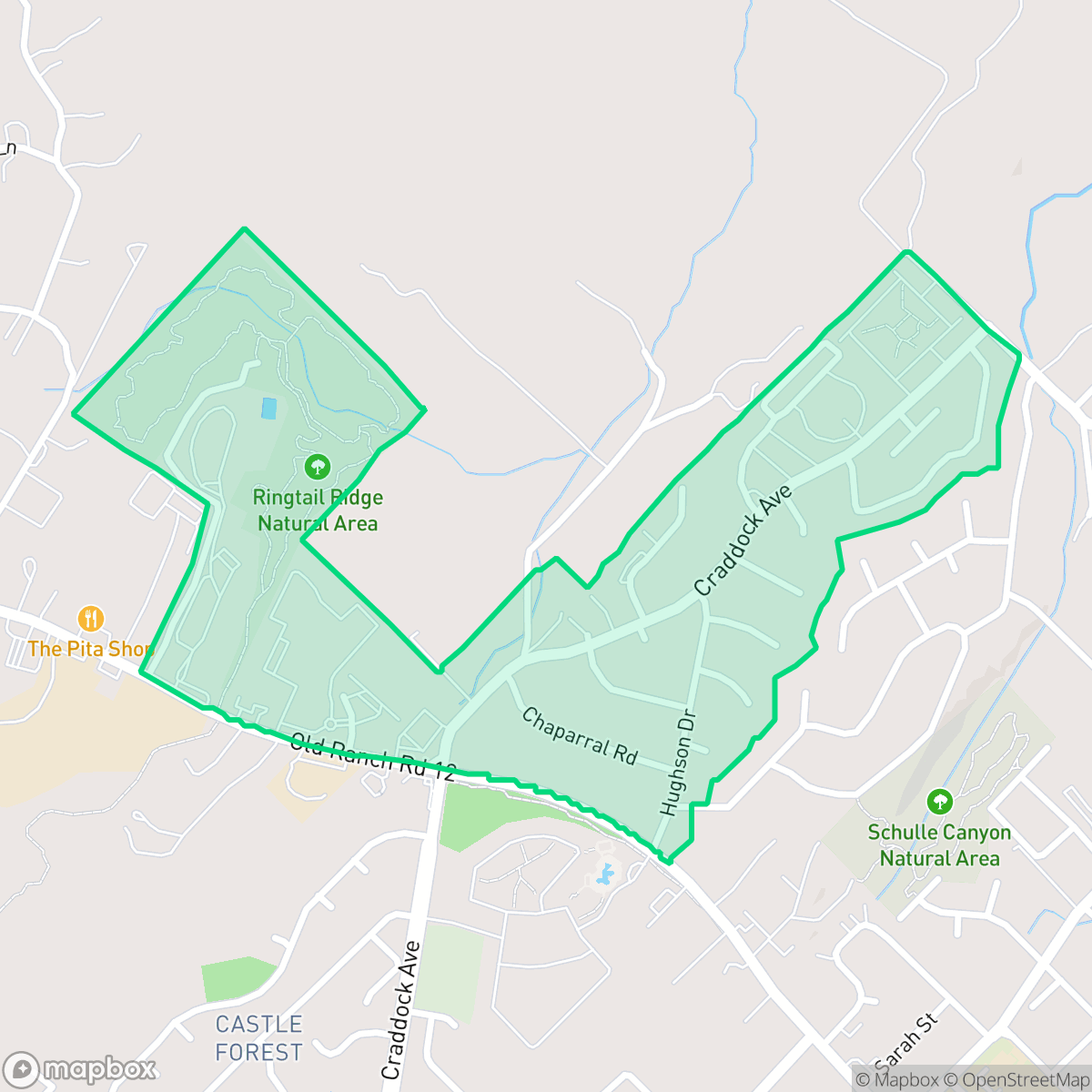
Hughson Heights is a tranquil, wooded residential enclave known for its spacious lots and mature greenery. It offers a semi-rural atmosphere with quiet, low-traffic streets that provide a peaceful retreat while remaining close to local amenities.
Key Highlights
About Hughson Heights
Hughson Heights in San Marcos, Texas, was developed by Cecil "Tex" Hughson, a former Major League Baseball pitcher for the Boston Red Sox who retired to his family's ranchland in the area. The neighborhood’s layout reflects his professional baseball career, most notably featuring Fenway Loop, a street named in tribute to the home of the Red Sox. Hughson was a prominent local figure who made significant contributions to the city, including founding the San Marcos Little League in 1952 and serving as vice president of the local school board during the integration of the city’s schools in the 1950s. The neighborhood serves as a lasting legacy of his transition from a celebrated athletic career to his role as a real estate developer and civic leader in San Marcos.
The area is defined by its low-density housing and substantial tree cover, creating a private and upscale environment that feels distinct from typical suburban layouts. Residents benefit from an absence of heavy industry, ensuring a purely residential atmosphere that is complemented by ample space between homes. According to iHuus data, the neighborhood appeals to those who prioritize privacy and a connection to nature, as the wide lots and dense vegetation serve as effective buffers from neighboring properties.
While the setting is generally quiet, those considering a move should note that the area experiences moderate traffic noise from nearby busy roads and faces a higher risk of flooding compared to other parts of the city. Walkability is limited by the lack of sidewalks, though the quiet, wooded lanes are suitable for casual strolls. The neighborhood is well-suited for pet owners who appreciate the available natural woodland buffers, though prospective residents should consider the broader school district's current financial and operational challenges.
Neighborhood Scores Across 15 Qualities
Large lots and significant spacing between houses provide more seclusion than the San Marcos average. Mature trees and dense vegetation further buffer homes from neighboring properties, according to iHuus data.
Low traffic on wooded lanes makes for safe strolls, though the absence of sidewalks on many residential streets makes the area's walkability roughly comparable to the San Marcos average.
Large homes with complex rooflines and private pools are common here. According to iHuus data, the neighborhood features more greenery and substantial lot buffers than the San Marcos average.
Abundant natural woodland buffers and spacious residential yards offer excellent opportunities for pet walking. According to iHuus data, these connected green spaces and wide paths provide a more dog-friendly environment than the San Marcos average.
Low-density housing and heavy tree cover define this area, providing a more open and wooded landscape than the typical San Marcos suburb. According to iHuus data, the neighborhood features significantly more open land and scattered homes than the city average.
Suburban pockets and local dining spots provide a sense of activity that is slightly more vibrant than the San Marcos average. Residents can access various coffee shops and casual eateries, though much of the area remains characterized by low-density, peaceful landscapes.
Steady sounds from nearby busy streets are present, though the acoustic environment remains notably quieter than the San Marcos city average according to iHuus data.
Air quality in this area fluctuates between acceptable and unhealthy levels, which may cause occasional concern for sensitive groups. According to iHuus data, these conditions are roughly in line with the average seen across San Marcos.
Heavy industry and warehouses are entirely absent from this area, providing a more residential environment than the San Marcos average. According to iHuus data, the neighborhood consists only of residential and light commercial zones with no detected industrial hazards.
Health insurance access is slightly above the San Marcos average, though a significant portion of the population remains uninsured. According to iHuus data, coverage levels in this area are moderate compared to the rest of the city.
Political leanings in this area lean liberal, though the community is slightly less progressive than the San Marcos average according to iHuus data.
Residents live alongside a balanced mix of young adults, families, and seniors. This age distribution is largely consistent with the broader San Marcos area.
Flood risk in this area is higher than the San Marcos average, though the lack of a detailed FEMA study means the exact level of danger remains undetermined. Residents should remain aware of potential drainage issues during heavy rain events according to iHuus data.
Address-Level Insights for Hughson Heights


iHuus Neighborhood Intelligence Insights
Get address-level neighborhood insights for Hughson Heights
- Street-level scores — see how individual blocks compare, not just neighborhood averages
- Micro-zone boundaries — identify quiet pockets, flood boundaries, and walkable clusters before you visit
- 15 dimensions in full — walkability, noise, air quality, school quality, insurance coverage, population age profile, urban/rural index, and more
- Boundary risk alerts — know if your address sits near a block boundary where scores drop, the kind of detail no listing will ever mention
- School insights — individual school ratings and insights, not just district-level data
- Compare before you commit — side-by-side data across neighborhoods, down to block precision
No credit card required
Compare with Any Neighborhood
| Dimension | Hughson Heights | Blanco Gardens |
|---|---|---|
| 🚶 Walkabilityavg 6.09 | ||
| 🔊 Acoustic Comfortavg 3.79 | ||
| 🤫 Privacy Indexavg 6.04 | ||
| 🎨 Visual Appealavg 6.1 | ||
| 🐕 Dog Friendlinessavg 6.89 | ||
| 🗺️ Urban-Rural Indexavg 7.6 | ||
| ✨ Neighborhood Vibeavg 5.43 | ||
| 🏥 Health Insurance Coverageavg 5.95 | ||
| 🌿 Air Qualityavg 6.09 | ||
| 🏭 Industrial Proximityavg 8.2 | ||
| 🌊 Flood Safetyavg 3.71 | ||
| 🗳️ Ideological Leanavg 8.3 | ||
| 👥 Population Age Profileavg 3.91 | ||
| 🔥 Fire Safety | ||
| 🏫 School Quality |
Hughson Heights Rankings
School Districts Serving Hughson Heights
School Insights for Hughson Heights
Below average outcomes; significant attendance and academic challenges.
School Insights
See what's really behind every school rating near Hughson Heights
- Individual school ratings — each school's own score with outcome context, not just a district average
- Enrollment & class size data — student-to-teacher ratio and how it compares to the state average
- Full demographics breakdown — ethnicity and gender composition for every school in the enrollment zone
- Every school in the district — all schools within the enrollment boundary ranked by rating, not just the closest one
- Grade levels & benchmarks — elementary through high school, with below/above state-average flags
No credit card required