Westfort Alliance, San Antonio
Updated · 431 residents
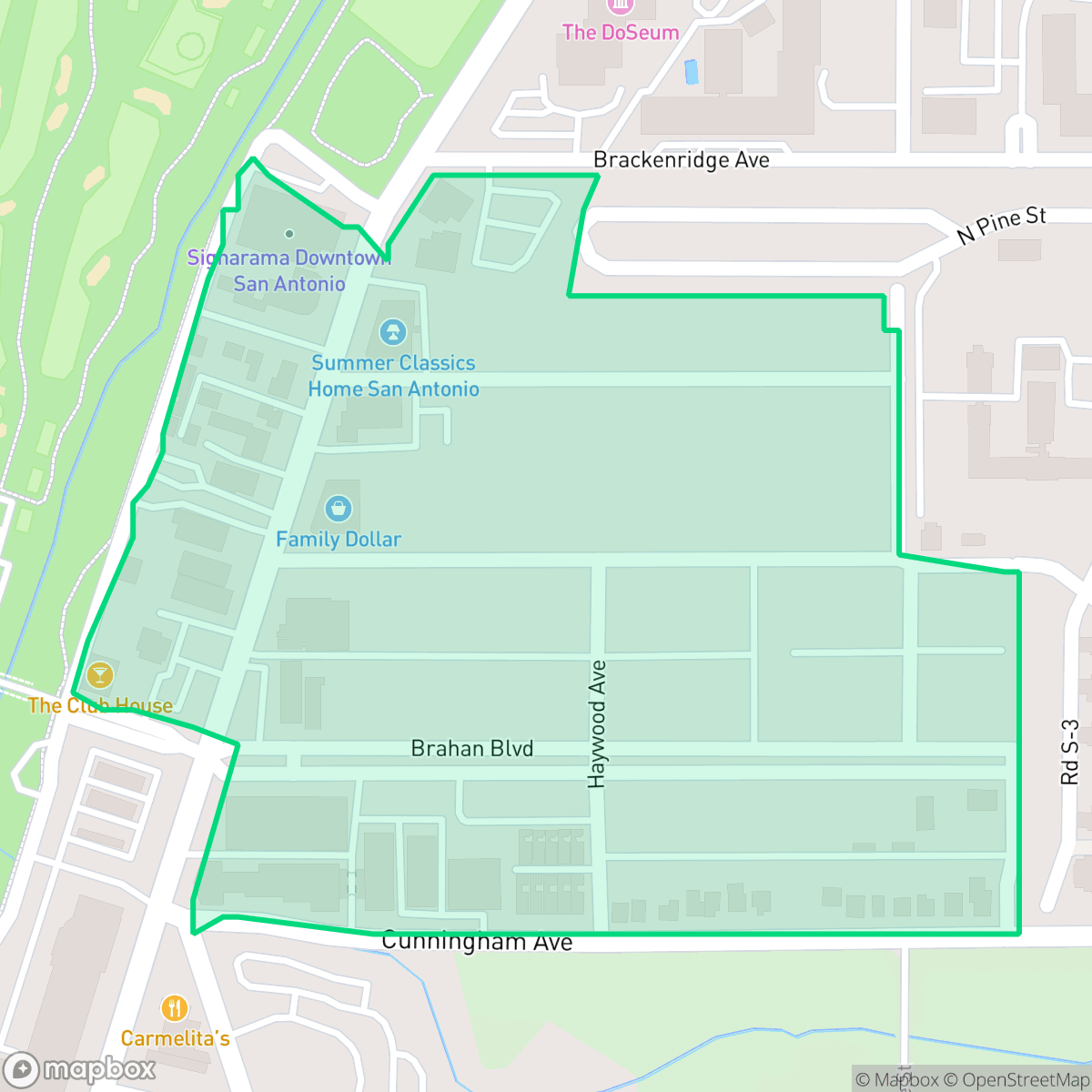
Westfort Alliance is a highly walkable and dog-friendly neighborhood situated between Broadway and Fort Sam Houston. Known for its diverse early 20th-century architecture, the area offers residents convenient access to local dining and cultural amenities like The Doseum.
Key Highlights
About Westfort Alliance
Tucked between Broadway and Fort Sam Houston, the Westfort Alliance neighborhood in San Antonio was originally platted in 1909 as two distinct upscale developments: Narcissa Place, created by Colonel E.H. Cunningham, and Army Terrace, developed by James H. Kirkpatrick. In 1997, the City of San Antonio officially united the two communities under the name Westfort Alliance. The neighborhood features a rich collection of early 20th-century residential architecture, including Craftsman bungalows, Queen Anne, Mission Revival, and Prairie Style homes. Historically, many homes served as rental housing for military personnel stationed at the adjacent fort, and the area once counted Mount Rushmore sculptor Gutzon Borglum among its prominent residents. To protect its historic character from rapid urban development, Westfort Alliance secured a Neighborhood Conservation District designation in 2011, followed by a partial historic district designation in 2018.
The neighborhood benefits from its proximity to major transit corridors and cultural hubs, resulting in a vibrant local atmosphere. Residents enjoy high levels of walkability and access to essential services, with popular dining and educational venues located just steps away. According to iHuus data, the community also boasts exceptional health insurance coverage, reflecting a stable and well-supported residential population that values connectivity and local character. The area remains a popular choice for those who appreciate historic charm combined with the convenience of an urban-adjacent lifestyle.
Prospective residents should consider certain environmental trade-offs, as the area experiences elevated noise levels from nearby road traffic and lower air quality ratings. While the neighborhood offers a strong sense of place, it is important to note the lack of flood safety infrastructure and the specific school district boundaries that define the local educational landscape. It is best suited for individuals who prioritize architectural character and walkability over absolute quiet or environmental serenity.
Neighborhood Scores Across 15 Qualities
Residential spacing is mixed, providing some buffer between neighbors but remaining close to the San Antonio average.
Pedestrian infrastructure is well-developed with sidewalks on one side of many streets and safe crossing points. According to iHuus data, the area offers significantly better walkability than the San Antonio average.
Residential scenery consists of traditional tract housing with modest yards and simple rooflines. This visual profile is roughly in line with the city average for San Antonio.
Access to large parks, trails, and open spaces is significantly higher than the San Antonio average. Residents will find ample opportunities for outdoor exercise with pets according to iHuus data.
Open land and scattered homes among woodlands characterize the area, providing a slightly more rural atmosphere than the San Antonio average according to iHuus data.
Local dining and social centers provide a noticeable energy that is significantly more vibrant than the San Antonio average. Residents can access a diverse mix of unique eateries, parks, and community landmarks throughout the area.
Frequent noise from nearby heavy transit routes and railroad activity characterizes this area. Acoustic comfort is lower than the San Antonio average, according to iHuus data.
Frequent unhealthy air quality levels pose significant risks to sensitive groups. According to iHuus data, air conditions in this area are worse than the San Antonio average.
Minimal industrial presence characterizes this area, which lacks warehouses or hazardous facilities and stays well above the San Antonio average. While a local brewery introduces minor operational activity, the neighborhood remains predominantly composed of quiet streets and open green spaces.
Health insurance access is exceptionally high among residents, significantly surpassing the San Antonio average according to iHuus data.
Voting patterns and census indicators reflect a distinctly liberal leaning that is more pronounced than the San Antonio average, according to iHuus data.
A significant majority of residents are young adults, representing a much younger demographic than the typical San Antonio population. According to iHuus data, the area has a limited presence of families or older residents.
Address-Level Insights for Westfort Alliance


iHuus Neighborhood Intelligence Insights
Get address-level neighborhood insights for Westfort Alliance
- Street-level scores — see how individual blocks compare, not just neighborhood averages
- Micro-zone boundaries — identify quiet pockets, flood boundaries, and walkable clusters before you visit
- 15 dimensions in full — walkability, noise, air quality, school quality, insurance coverage, population age profile, urban/rural index, and more
- Boundary risk alerts — know if your address sits near a block boundary where scores drop, the kind of detail no listing will ever mention
- School insights — individual school ratings and insights, not just district-level data
- Compare before you commit — side-by-side data across neighborhoods, down to block precision
No credit card required
Compare with Any Neighborhood
| Dimension | Westfort Alliance | 145 Association |
|---|---|---|
| 🚶 Walkabilityavg 6.44 | ||
| 🔊 Acoustic Comfortavg 4.07 | ||
| 🤫 Privacy Indexavg 5.75 | ||
| 🎨 Visual Appealavg 6.11 | ||
| 🐕 Dog Friendlinessavg 5.91 | ||
| 🗺️ Urban-Rural Indexavg 6.87 | ||
| ✨ Neighborhood Vibeavg 4.35 | ||
| 🏥 Health Insurance Coverageavg 5.94 | ||
| 🌿 Air Qualityavg 2.27 | ||
| 🏭 Industrial Proximityavg 8.31 | ||
| 🌊 Flood Safetyavg 4.2 | ||
| 🗳️ Ideological Leanavg 7.37 | ||
| 👥 Population Age Profileavg 4.68 | ||
| 🔥 Fire Safety | ||
| 🏫 School Quality |
Westfort Alliance Rankings
School Districts Serving Westfort Alliance
School Insights for Westfort Alliance
Below average outcomes; significant attendance and academic challenges.
School Insights
See what's really behind every school rating near Westfort Alliance
- Individual school ratings — each school's own score with outcome context, not just a district average
- Enrollment & class size data — student-to-teacher ratio and how it compares to the state average
- Full demographics breakdown — ethnicity and gender composition for every school in the enrollment zone
- Every school in the district — all schools within the enrollment boundary ranked by rating, not just the closest one
- Grade levels & benchmarks — elementary through high school, with below/above state-average flags
No credit card required