Lafayette Place, San Antonio
Updated · 221 residents
Lafayette Place is a dense, car-dependent residential enclave in San Antonio defined by its proximity to major highway interchanges. The neighborhood features high-density apartment complexes with limited privacy and a notably loud acoustic environment due to constant road traffic.
Key Highlights
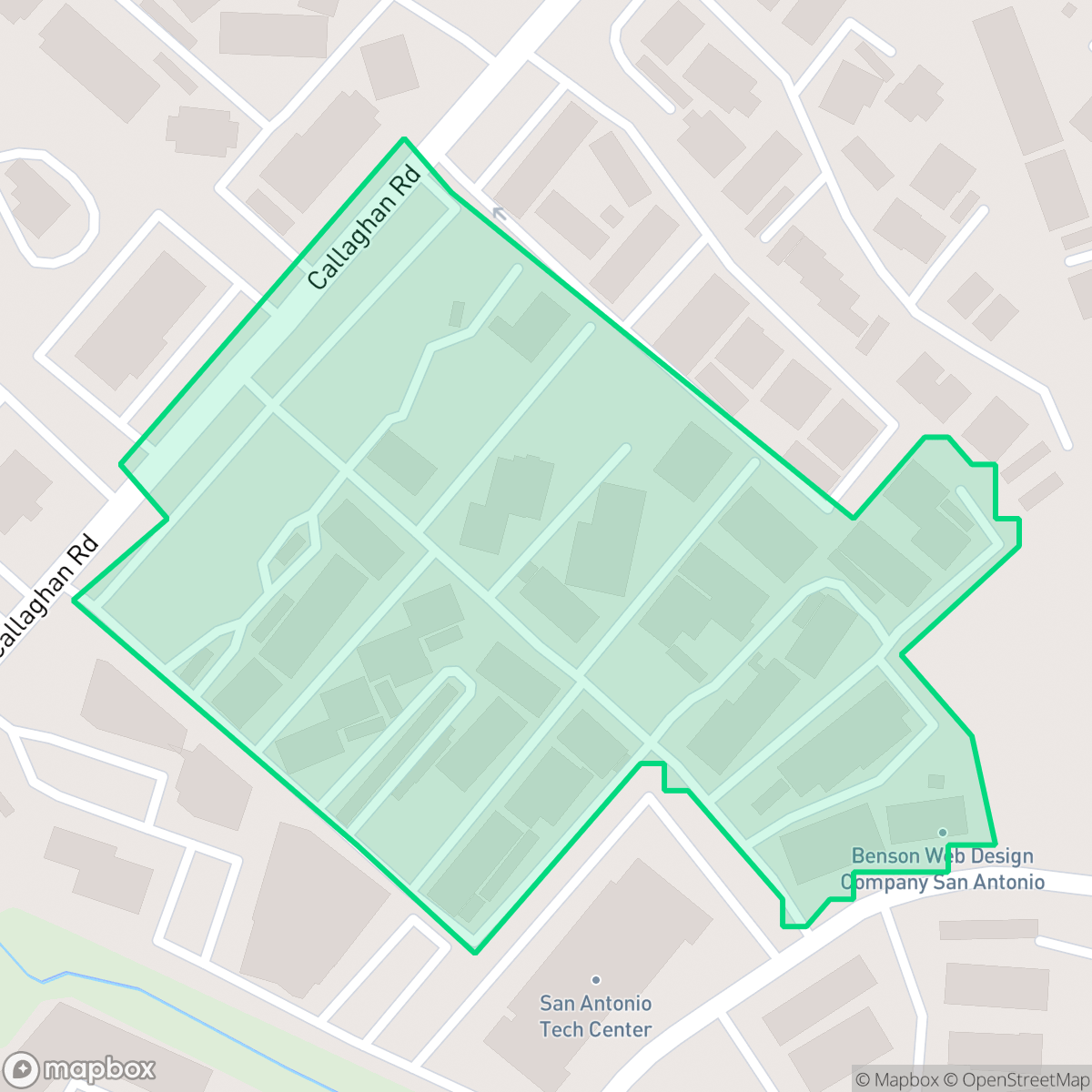
About Lafayette Place
The neighborhood is a compact area characterized by multi-family apartment complexes and significant grey infrastructure. Situated near major multi-level highway interchanges, the area experiences high levels of ambient noise and air pollution. The built environment is marked by uniform residential architecture and shared communal spaces, reflecting a dense suburban-urban mix that prioritizes utility over seclusion.
Potential residents should consider the trade-offs of living in a high-traffic zone, as the area lacks extensive pedestrian infrastructure and offers limited privacy between units. While the neighborhood provides access to diverse local amenities and restaurants, it is primarily suited for those who prioritize proximity to major transit corridors over quiet living. Educational needs are served by the North East and Northside Independent School Districts, though families should account for the specific environmental constraints of the immediate area.
Neighborhood Scores Across 15 Qualities
Residential spacing varies widely between high-density apartments with narrow gaps and large estates separated by dense woods. This level of privacy is slightly lower than the San Antonio average according to iHuus data.
Pedestrian transit is hindered by disconnected sidewalk networks and significant barriers from large highway interchanges. While residential pockets offer quiet streets for walking, the lack of continuous paths makes navigating main roads difficult compared to the San Antonio average.
Manicured landscapes and large estate homes with private amenities characterize the area. This level of visual quality and property scale sits notably above the San Antonio average, according to iHuus data.
Central wooded areas and internal green spaces provide ample grass access for pets. According to iHuus data, this area is more dog friendly than the San Antonio average, though some parts of the neighborhood face limited accessibility due to nearby highways and surface parking.
Open land and scattered homes are common throughout this area, though some sections feature denser suburban developments and larger apartment complexes. This landscape is slightly less developed than the typical San Antonio average, according to iHuus data.
Social hubs and diverse dining options create a noticeably more active atmosphere than the San Antonio average. While the area features a steady concentration of local restaurants and amenities, most destinations require a car to reach.
Persistent noise from nearby major freeways and railroad tracks characterizes this area. According to iHuus data, acoustic comfort in Lafayette Place is lower than the San Antonio average.
Frequent unhealthy air quality levels pose a significant risk to sensitive groups. According to iHuus data, pollution levels in this area are slightly worse than the San Antonio average.
Minimal industrial presence characterizes the area, though a large highway interchange nearby may contribute to localized noise and air quality concerns. According to iHuus data, the neighborhood maintains a level of industrial separation that is slightly higher than the San Antonio average.
Health insurance accessibility in this area is notably lower than the San Antonio average. According to iHuus data, a significant portion of the resident population lacks coverage.
Political leanings in this area trend more liberal than the San Antonio average, according to iHuus data.
Residents live alongside a diverse range of age groups, including young professionals, families, and seniors. According to iHuus data, this age distribution is largely consistent with the broader San Antonio area.
Flood risk levels in this area are currently undetermined because a detailed study has not been completed by FEMA. This level of uncertainty is slightly higher than the average for San Antonio, according to iHuus data.
Address-Level Insights for Lafayette Place


iHuus Neighborhood Intelligence Insights
Get address-level neighborhood insights for Lafayette Place
- Street-level scores — see how individual blocks compare, not just neighborhood averages
- Micro-zone boundaries — identify quiet pockets, flood boundaries, and walkable clusters before you visit
- 15 dimensions in full — walkability, noise, air quality, school quality, insurance coverage, population age profile, urban/rural index, and more
- Boundary risk alerts — know if your address sits near a block boundary where scores drop, the kind of detail no listing will ever mention
- School insights — individual school ratings and insights, not just district-level data
- Compare before you commit — side-by-side data across neighborhoods, down to block precision
No credit card required
Compare with Any Neighborhood
| Dimension | Lafayette Place | 145 Association |
|---|---|---|
| 🚶 Walkabilityavg 6.44 | ||
| 🔊 Acoustic Comfortavg 4.07 | ||
| 🤫 Privacy Indexavg 5.75 | ||
| 🎨 Visual Appealavg 6.11 | ||
| 🐕 Dog Friendlinessavg 5.91 | ||
| 🗺️ Urban-Rural Indexavg 6.87 | ||
| ✨ Neighborhood Vibeavg 4.35 | ||
| 🏥 Health Insurance Coverageavg 5.94 | ||
| 🌿 Air Qualityavg 2.27 | ||
| 🏭 Industrial Proximityavg 8.31 | ||
| 🌊 Flood Safetyavg 4.2 | ||
| 🗳️ Ideological Leanavg 7.37 | ||
| 👥 Population Age Profileavg 4.68 | ||
| 🔥 Fire Safety | ||
| 🏫 School Quality |
Lafayette Place Rankings
School Districts Serving Lafayette Place
School Insights for Lafayette Place
Below average outcomes; significant attendance and academic challenges.
School Insights
See what's really behind every school rating near Lafayette Place
- Individual school ratings — each school's own score with outcome context, not just a district average
- Enrollment & class size data — student-to-teacher ratio and how it compares to the state average
- Full demographics breakdown — ethnicity and gender composition for every school in the enrollment zone
- Every school in the district — all schools within the enrollment boundary ranked by rating, not just the closest one
- Grade levels & benchmarks — elementary through high school, with below/above state-average flags
No credit card required