Meadows, Plano
Updated · 2,562 residents
The Meadows is a quiet, tree-lined residential enclave in East Plano characterized by its mid-century brick ranch homes and stable, family-oriented atmosphere. According to iHuus data, the area offers a peaceful acoustic environment and an organized suburban layout that prioritizes privacy and structural consistency. Residents benefit from reputable schools and proximity to downtown amenities while enjoying a low-traffic, walkable street grid.
Key Highlights
About Meadows
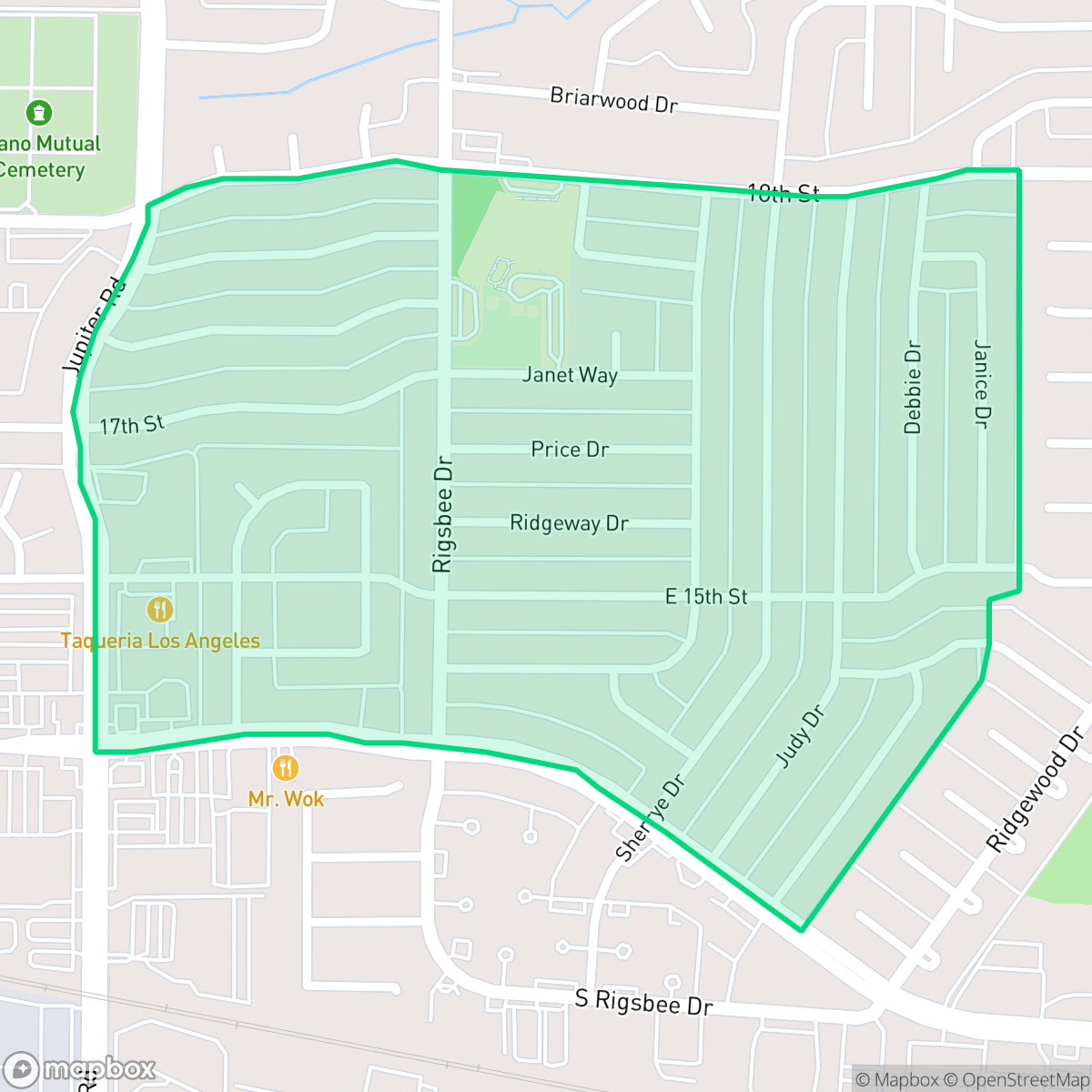
The Meadows is an established residential neighborhood in East Plano, Texas, developed primarily between 1962 and 1967. Characterized by quiet, tree-lined streets, the neighborhood features a cohesive building stock of mid-century, single-story traditional brick ranch homes. The cultural and community anchor of the neighborhood is Meadows Elementary School, which opened in 1964. The school was constructed on land donated by prominent Dallas oilman, philanthropist, and Southern Methodist University benefactor Algur Hurtle Meadows, the founder of the General American Oil Company. Today, the Meadows remains a highly diverse, family-oriented pocket of Plano, valued for its mid-century suburban character, mature landscaping, and close proximity to downtown Plano.
The area functions as a tranquil residential pocket where the design emphasizes a cohesive suburban aesthetic. With its mature canopy and consistent architecture, the neighborhood maintains a distinct visual appeal that stands out from more modern, dense developments. The layout facilitates a calm living experience, supported by a street grid that is conducive to walking and low-traffic circulation. The presence of reputable local schools and a lack of industrial proximity further reinforce its status as a stable, institutional-focused community.
Prospective residents should note that while the neighborhood excels in acoustic comfort and residential privacy, it offers limited commercial walkability and few public green spaces outside of private yards. The area is well-suited for families or individuals who prioritize a quiet, predictable environment over high-density urban convenience. While the Plano Independent School District provides strong academic resources, families should be aware of the district-wide focus on facility optimization and long-term planning.
Neighborhood Scores Across 15 Qualities
Residential spacing varies between closely clustered homes and areas with more significant distance between neighbors. According to iHuus data, the level of separation between properties is slightly below the Plano average.
Sidewalks and safe crossings are available throughout residential streets, though certain industrial blocks and rail lines act as barriers to pedestrian movement. This level of walkability is lower than the Plano city average according to iHuus data.
Housing consists of typical suburban tract homes and apartment complexes with varied lot sizes. This level of visual variety is slightly below the Plano city average according to iHuus data.
Walking routes are supported by continuous sidewalk verges and nearby athletic fields, though overall accessibility for pets is below the Plano average. Green spaces are primarily found within private backyards or larger nearby park areas according to iHuus data.
A high tree canopy and organized street grids characterize this area, which feels slightly more suburban than the Plano average. According to iHuus data, the landscape features a mix of single-family homes nestled among wooded patches.
Suburban streets and industrial pockets create a calm atmosphere that is slightly below the Plano average for activity. While some dining options are reachable on foot, many essential services require a drive due to the sparse business density in certain areas.
Steady traffic sounds from a nearby busy street are present, though acoustic comfort remains slightly higher than the Plano average according to iHuus data.
Air quality in this area fluctuates between acceptable and unhealthy levels on certain days. According to iHuus data, these conditions are slightly lower than the average seen across Plano.
Industrial presence is minimal in this area, consisting mostly of residential and institutional uses. While some nearby zones contain light warehouses or logistics centers, the neighborhood lacks the heavy industrial density found in other parts of Plano.
Health insurance access in Meadows is notably lower than the Plano city average, according to iHuus data. This indicates a higher proportion of uninsured residents compared to the rest of the city.
Political leanings in this area trend more liberal than the Plano average, featuring a liberal majority with a modest opposing presence according to iHuus data.
Residents live alongside a broad mix of young adults, families, and seniors. According to iHuus data, this population distribution is slightly more concentrated toward specific age brackets than the Plano average.
Located within a known floodplain, this area carries a significantly higher flood risk than the Plano average. Residents should be aware that flood insurance is typically required for properties in this zone according to iHuus data.
Address-Level Insights for Meadows


iHuus Neighborhood Intelligence Insights
Get address-level neighborhood insights for Meadows
- Street-level scores — see how individual blocks compare, not just neighborhood averages
- Micro-zone boundaries — identify quiet pockets, flood boundaries, and walkable clusters before you visit
- 15 dimensions in full — walkability, noise, air quality, school quality, insurance coverage, population age profile, urban/rural index, and more
- Boundary risk alerts — know if your address sits near a block boundary where scores drop, the kind of detail no listing will ever mention
- School insights — individual school ratings and insights, not just district-level data
- Compare before you commit — side-by-side data across neighborhoods, down to block precision
No credit card required
Compare with Any Neighborhood
| Dimension | Meadows | Armstrong Park |
|---|---|---|
| 🚶 Walkabilityavg 9.16 | ||
| 🔊 Acoustic Comfortavg 4.81 | ||
| 🤫 Privacy Indexavg 5.84 | ||
| 🎨 Visual Appealavg 7.71 | ||
| 🐕 Dog Friendlinessavg 7.64 | ||
| 🗺️ Urban-Rural Indexavg 6.7 | ||
| ✨ Neighborhood Vibeavg 4.43 | ||
| 🏥 Health Insurance Coverageavg 7.88 | ||
| 🌿 Air Qualityavg 4.17 | ||
| 🏭 Industrial Proximityavg 9.46 | ||
| 🌊 Flood Safetyavg 4.69 | ||
| 🗳️ Ideological Leanavg 5.08 | ||
| 👥 Population Age Profileavg 4.81 | ||
| 🔥 Fire Safety | ||
| 🏫 School Quality |
Meadows Rankings
School Districts Serving Meadows
School Insights for Meadows
Below average outcomes; significant attendance and academic challenges.
School Insights
See what's really behind every school rating near Meadows
- Individual school ratings — each school's own score with outcome context, not just a district average
- Enrollment & class size data — student-to-teacher ratio and how it compares to the state average
- Full demographics breakdown — ethnicity and gender composition for every school in the enrollment zone
- Every school in the district — all schools within the enrollment boundary ranked by rating, not just the closest one
- Grade levels & benchmarks — elementary through high school, with below/above state-average flags
No credit card required