High Meadows, Houston
Updated · 3,598 residents
High Meadows is an established North Houston residential community characterized by reliable pedestrian access and active local social hubs. While the area offers a semi-rural feel with spacious lots, residents should be aware of consistent traffic noise and air quality challenges common to this industrial-adjacent corridor.
Key Highlights
About High Meadows
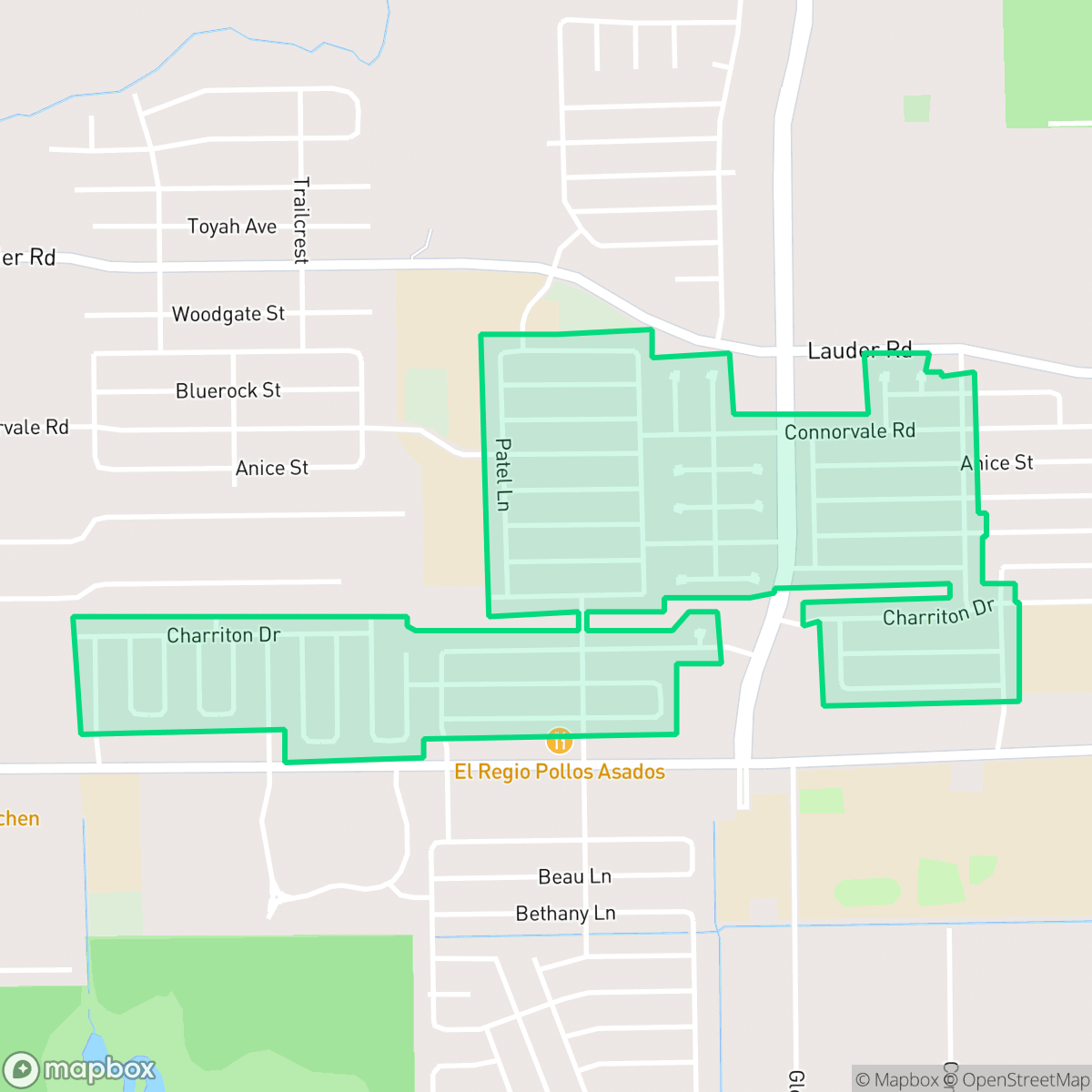
High Meadows is a residential neighborhood located within the Aldine community in north Harris County, Houston. Developed primarily during the 1970s, the area reflects the suburban planning trends of that era, characterized by winding streets and cul-de-sacs designed to foster a quiet residential environment. Geographically situated between the Hardy Toll Road and the Eastex Freeway (I-69/US 59), the neighborhood is part of the East Aldine Management District, which works to improve the area's economic and social well-being. A significant local landmark is the High Meadows Branch Library, which serves as a central hub for community resources, including adult literacy and citizenship programs. The neighborhood is defined by its mid-century suburban housing stock, offering relatively larger lot sizes compared to more central parts of Houston, and remains an integral, accessible residential component of the greater Aldine area.
The neighborhood maintains a distinct suburban identity defined by its mid-century housing stock and a layout that encourages a semi-rural atmosphere. Residents benefit from a higher level of local activity compared to many other parts of the city, with various dining and social venues providing a steady energy throughout the day. The presence of continuous sidewalks along residential streets and near schools makes the area more accessible for pedestrians than many typical suburban developments in the region. The community also benefits from a relatively stable profile regarding flood safety, providing a measure of security for homeowners in this part of Harris County.
Neighborhood Scores Across 15 Qualities
Residential spacing in High Meadows is consistent with the Houston average, featuring a mix of closely packed houses and standard suburban yards. Neighbors are typically separated by small gaps or shared property lines, providing a moderate level of buffer between homes.
Sidewalks are consistently present along residential streets and around school grounds, providing pedestrian access that is slightly above the Houston average. While some arterial roads lack dedicated crossings, most interior streets feature continuous paths and safe crossings for residents.
Uniform tract housing and modest yards characterize this area. The neighborhood presents a less varied visual landscape than the Houston average, according to iHuus data.
Wide green verges and proximity to large athletic fields and public parks provide many opportunities for dog walking. This level of accessibility is slightly below the Houston average, according to iHuus data.
Frequent open land and scattered homes provide a semi-rural feel that is slightly more expansive than the Houston average. According to iHuus data, the area features a mix of single-family residences situated near large institutional buildings and industrial distribution centers.
Local dining and social hubs provide a steady energy that is noticeably higher than the Houston average. While some blocks are primarily residential, many areas feature a diverse concentration of businesses and community landmarks accessible by car or foot.
Local traffic from nearby thoroughfares creates a consistent background noise. This level of acoustic activity is roughly comparable to the average found across Houston.
Frequent unhealthy air quality levels pose significant risks to sensitive groups. According to iHuus data, the air quality in High Meadows is notably worse than the Houston average.
Light commercial and utility uses exist alongside residential areas, though some parts of the neighborhood feature large logistics warehouses that increase truck traffic and noise. This level of industrial proximity is slightly lower than the Houston average.
Health insurance accessibility is significantly lower here than in the rest of Houston, according to iHuus data. Residents may face greater challenges accessing employer-sponsored or private medical plans compared to the city average.
Political leanings in this area trend more liberal than the Houston average, according to iHuus data. Residents will find a community with a notable liberal majority and a modest opposing presence.
Residents live alongside a balanced mix of young adults, families, and older populations. This demographic spread is slightly lower than the Houston average according to iHuus data.
Flood risk in this area is notably lower than the Houston average, although some residual risk remains due to its location within a 500-year floodplain. According to iHuus data, the area offers a relatively stable profile regarding flood safety.
Address-Level Insights for High Meadows


iHuus Neighborhood Intelligence Insights
Get address-level neighborhood insights for High Meadows
- Street-level scores — see how individual blocks compare, not just neighborhood averages
- Micro-zone boundaries — identify quiet pockets, flood boundaries, and walkable clusters before you visit
- 15 dimensions in full — walkability, noise, air quality, school quality, insurance coverage, population age profile, urban/rural index, and more
- Boundary risk alerts — know if your address sits near a block boundary where scores drop, the kind of detail no listing will ever mention
- School insights — individual school ratings and insights, not just district-level data
- Compare before you commit — side-by-side data across neighborhoods, down to block precision
No credit card required
Compare with Any Neighborhood
| Dimension | High Meadows | Acres Home |
|---|---|---|
| 🚶 Walkabilityavg 7.08 | ||
| 🔊 Acoustic Comfortavg 4.14 | ||
| 🤫 Privacy Indexavg 5.34 | ||
| 🎨 Visual Appealavg 6.42 | ||
| 🐕 Dog Friendlinessavg 6.33 | ||
| 🗺️ Urban-Rural Indexavg 6.64 | ||
| ✨ Neighborhood Vibeavg 4.4 | ||
| 🏥 Health Insurance Coverageavg 5.46 | ||
| 🌿 Air Qualityavg 3.58 | ||
| 🏭 Industrial Proximityavg 6.9 | ||
| 🌊 Flood Safetyavg 6.27 | ||
| 🗳️ Ideological Leanavg 6.39 | ||
| 👥 Population Age Profileavg 4.6 | ||
| 🔥 Fire Safety | ||
| 🏫 School Quality |
High Meadows Rankings
School Districts Serving High Meadows
School Insights for High Meadows
Below average outcomes; significant attendance and academic challenges.
School Insights
See what's really behind every school rating near High Meadows
- Individual school ratings — each school's own score with outcome context, not just a district average
- Enrollment & class size data — student-to-teacher ratio and how it compares to the state average
- Full demographics breakdown — ethnicity and gender composition for every school in the enrollment zone
- Every school in the district — all schools within the enrollment boundary ranked by rating, not just the closest one
- Grade levels & benchmarks — elementary through high school, with below/above state-average flags
No credit card required