University West, Fort Worth
Updated · 1,191 residents
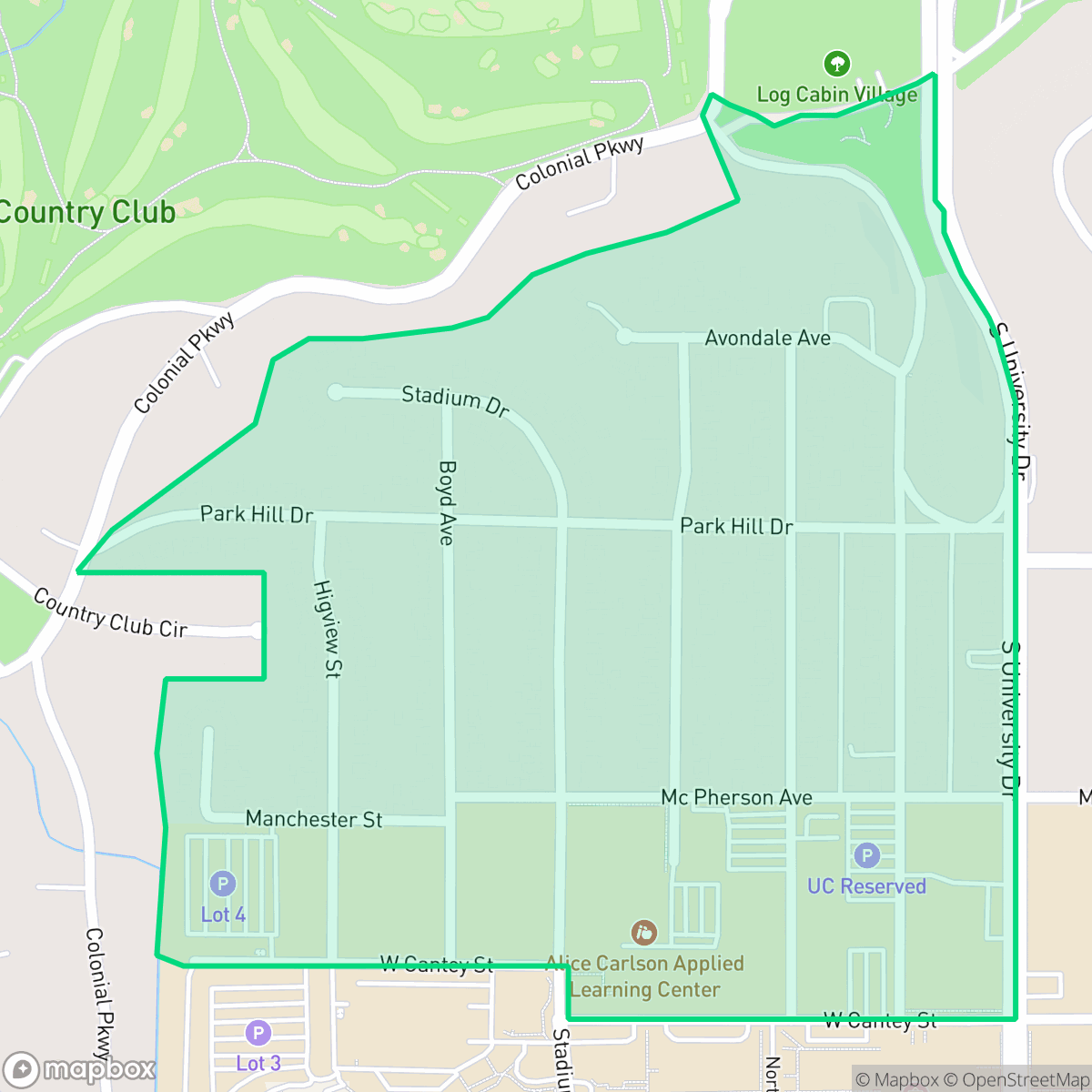
University West is a highly walkable and visually appealing neighborhood situated between Texas Christian University and the Colonial Country Club. The area features a low-density residential environment with abundant green space, though residents often contend with significant noise from nearby road traffic according to iHuus data.
Key Highlights
About University West
Developed in the early 1900s as part of the University Place subdivision, the University West neighborhood in Fort Worth grew rapidly following the 1911 relocation of Texas Christian University (TCU) from Waco. Initially a remote, custom-built suburb lacking municipal utilities, the area experienced a major housing boom in 1923 when the Carb Land and Building Company constructed high-quality brick, tile, and stucco bungalows. Today, the neighborhood is bordered by TCU to the south, the historic Colonial Country Club to the east, and University Drive to the west. Its tree-lined streets feature notable architectural landmarks, including the 1926 Mediterranean-style Poston House, designed by prominent local architect Wiley G. Clarkson.
This neighborhood offers a distinct residential character marked by high visual appeal and a strong connection to local landmarks like Log Cabin Village. The layout supports an active, pedestrian-friendly lifestyle, making it a convenient choice for those who value proximity to campus life and recreational facilities. With high health insurance coverage rates, the area provides a stable environment for its residents, characterized by a mix of open spaces and established architecture.
Potential residents should consider the trade-offs regarding acoustic comfort, as the area records a low score for noise due to persistent road traffic. While the neighborhood benefits from the high-performing Alice Carlson Applied Learning Center, the broader Fort Worth Independent School District faces systemic financial and operational challenges. The area is best suited for individuals or families who prioritize walkability and aesthetic charm over complete silence, and who can navigate the complex landscape of the local public school system.
Neighborhood Scores Across 15 Qualities
Residential spacing is inconsistent due to a mix of dense multi-unit campus housing and more spread out lots. According to iHuus data, this level of separation is slightly lower than the Fort Worth average.
Extensive sidewalk networks and pedestrian-priority areas make navigating the university campus and surrounding residential streets easy on foot. This level of connectivity is significantly higher than the Fort Worth average.
Large, well-maintained homes and institutional architecture create a highly polished landscape. This area offers a significantly more manicured aesthetic than the Fort Worth average, featuring frequent private pools and premium amenities according to iHuus data.
Abundant green spaces and expansive campus lawns offer ample room for pets. This area provides more accessible walking paths and safer environments for dogs than the Fort Worth average, according to iHuus data.
Street grids and residential areas are interspersed with campus buildings and parking facilities, resulting in a setting that is slightly less urban than the Fort Worth average. This mix of greenery and infrastructure provides a moderate level of density according to iHuus data.
Social and leisure spots provide a noticeable level of activity, making this area more lively than the Fort Worth average. According to iHuus data, the neighborhood features a mix of active social hubs and quieter, low-density patches.
Steady hums from nearby busy streets create a consistent level of ambient sound. This acoustic environment is slightly more active than the Fort Worth average.
Air quality levels fluctuate between acceptable and unhealthy, presenting occasional concerns for sensitive groups. This neighborhood experiences slightly better air quality than the Fort Worth average, according to iHuus data.
Industrial hazards and warehouses are entirely absent from this area, which consists only of residential, institutional, and light commercial zones. This lack of heavy industry makes the neighborhood significantly cleaner than the Fort Worth average.
Health insurance accessibility is significantly higher than the Fort Worth average, according to iHuus data. Most residents in this area have access to medical coverage.
Political leanings in this area are more conservative than the Fort Worth average. According to iHuus data, the neighborhood contains a conservative majority with a modest opposing presence.
Residents primarily consist of a young adult majority, with a lower concentration of families and older adults compared to the Fort Worth average. According to iHuus data, this demographic profile creates a more youthful environment than most other areas in the city.
Some residual flood risk exists within this area as it falls inside a 500-year floodplain. According to iHuus data, the flood safety level here is significantly higher than the Fort Worth city average.
Address-Level Insights for University West


iHuus Neighborhood Intelligence Insights
Get address-level neighborhood insights for University West
- Street-level scores — see how individual blocks compare, not just neighborhood averages
- Micro-zone boundaries — identify quiet pockets, flood boundaries, and walkable clusters before you visit
- 15 dimensions in full — walkability, noise, air quality, school quality, insurance coverage, population age profile, urban/rural index, and more
- Boundary risk alerts — know if your address sits near a block boundary where scores drop, the kind of detail no listing will ever mention
- School insights — individual school ratings and insights, not just district-level data
- Compare before you commit — side-by-side data across neighborhoods, down to block precision
No credit card required
Compare with Any Neighborhood
| Dimension | University West | Alamo Heights |
|---|---|---|
| 🚶 Walkabilityavg 7.5 | ||
| 🔊 Acoustic Comfortavg 4.12 | ||
| 🤫 Privacy Indexavg 5.64 | ||
| 🎨 Visual Appealavg 6.38 | ||
| 🐕 Dog Friendlinessavg 6.57 | ||
| 🗺️ Urban-Rural Indexavg 6.92 | ||
| ✨ Neighborhood Vibeavg 4.56 | ||
| 🏥 Health Insurance Coverageavg 5.8 | ||
| 🌿 Air Qualityavg 3.68 | ||
| 🏭 Industrial Proximityavg 8.13 | ||
| 🌊 Flood Safetyavg 3.61 | ||
| 🗳️ Ideological Leanavg 5.62 | ||
| 👥 Population Age Profileavg 4.51 | ||
| 🔥 Fire Safety | ||
| 🏫 School Quality |
University West Rankings
School Districts Serving University West
School Insights for University West
Below average outcomes; significant attendance and academic challenges.
School Insights
See what's really behind every school rating near University West
- Individual school ratings — each school's own score with outcome context, not just a district average
- Enrollment & class size data — student-to-teacher ratio and how it compares to the state average
- Full demographics breakdown — ethnicity and gender composition for every school in the enrollment zone
- Every school in the district — all schools within the enrollment boundary ranked by rating, not just the closest one
- Grade levels & benchmarks — elementary through high school, with below/above state-average flags
No credit card required