Hubbard Heights, Fort Worth
Updated · 3,674 residents
Hubbard Heights is a dense, grid-based residential area in Fort Worth characterized by its proximity to industrial logistics zones and diverse local dining. While the community provides access to neighborhood schools, residents often navigate challenges related to limited pedestrian infrastructure and air quality.
Key Highlights
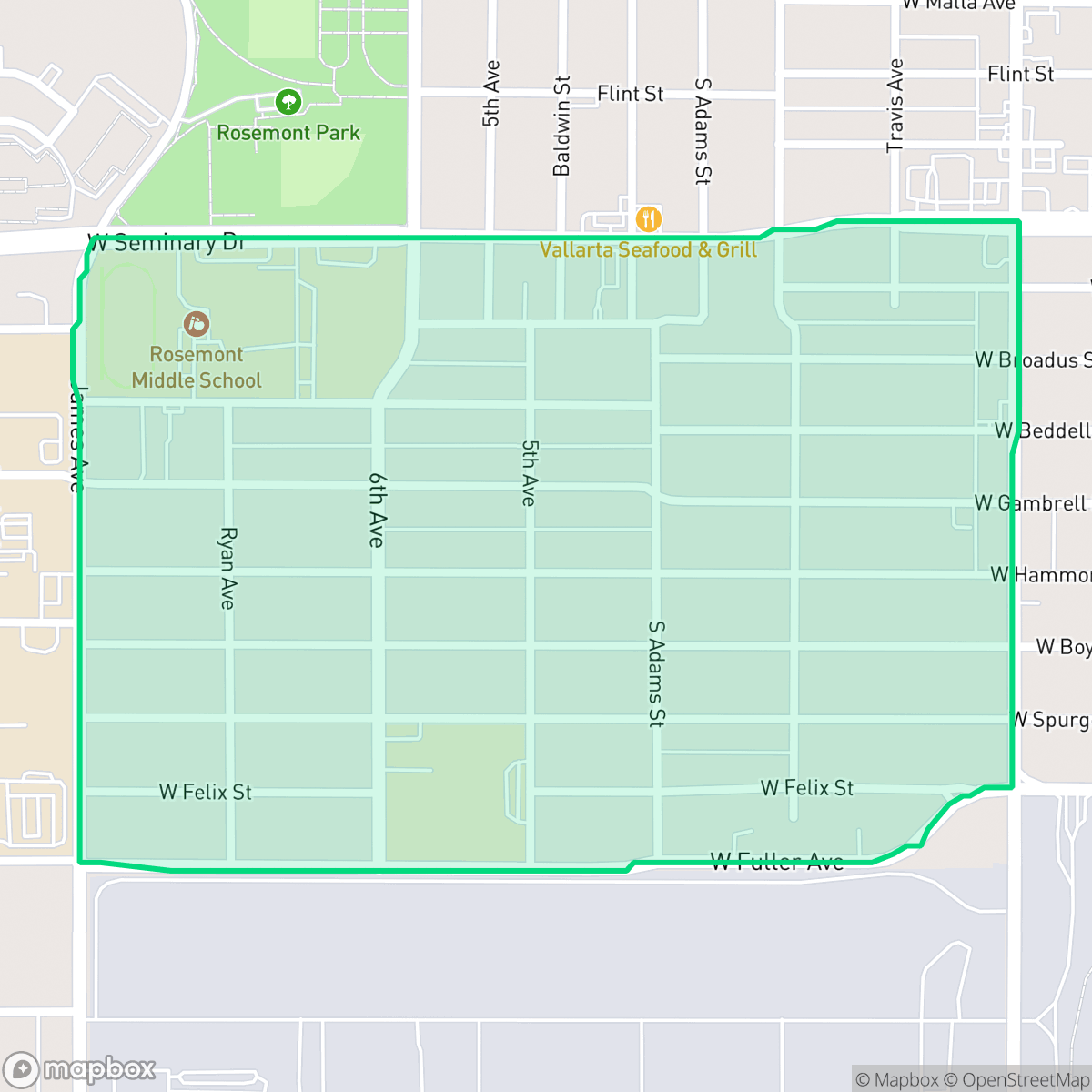
About Hubbard Heights
Developed in the early 20th century by prominent Fort Worth community leader and Parks Superintendent George C. Clarke, Hubbard Heights was advertised as a suburban residential retreat removed from the city's industrial bustle. The neighborhood's defining historical landmark is Hubbard Heights Elementary School. Established in 1922 as a Tarrant County Common School, it underwent a major expansion from 1934 to 1935. Designed by architect Elmer G. Withers, this expansion was notable as the first Public Works Administration (PWA) school project completed in Fort Worth. The school's striking Mediterranean Revival design—featuring yellow brick walls, a cross-gabled roof, and red clay tiles—remains an architectural and cultural anchor for the community.
Located near major freight corridors, this neighborhood serves as a dense residential enclave where industrial warehouses and logistics facilities significantly influence the local landscape. The area features a traditional grid street pattern that provides access to diverse local eateries, including popular spots like El Rincon Jarocho and Taqueria San Andres. According to iHuus data, the community maintains a distinct urban character, balancing its suburban residential roots with the active industrial activity found at its southern edge.
Living here involves specific trade-offs, particularly regarding environmental factors and public infrastructure. The area currently faces lower air quality levels and limited pedestrian connectivity, as many blocks lack consistent sidewalks. While families have access to Hubbard Elementary and Rosemont Middle schools, the broader Fort Worth Independent School District faces significant operational challenges. Prospective residents should also note that the neighborhood is situated in a high-risk flood zone, making it a location best suited for those prioritizing proximity to major employment hubs and local cultural dining over expansive green space or quiet, secluded living.
Neighborhood Scores Across 15 Qualities
Residential spacing is slightly more private than the Fort Worth average, though some areas feature closely spaced houses with shared property lines. Most lots provide a moderate buffer between neighbors according to iHuus data.
Quiet residential streets allow for easy walking, though the lack of continuous sidewalks makes the area less walkable than the Fort Worth average. According to iHuus data, some blocks feature narrow or missing pedestrian paths.
Standard tract housing dominates the landscape, featuring uniform rooflines and small yards. According to iHuus data, the visual variety and greenery in this area are below the Fort Worth average.
Access to dedicated dog walking space varies, as some areas feature a large central park with sports fields while others rely on private yards and narrow sidewalks. According to iHuus data, the overall availability of public pet-friendly green space is below the Fort Worth average.
Open land and scattered homes amid woodland define the landscape, though this area feels slightly more urbanized than the Fort Worth average. The southern edge transitions into a dense industrial and logistics zone according to iHuus data.
A blend of light industrial zones and residential pockets creates a lively atmosphere that is more active than the Fort Worth average. While dining options and amenities are diverse, the area remains largely car dependent due to the layout of the surrounding warehouses and freight corridors.
Local traffic from nearby busy streets creates a noticeable, consistent background noise. According to iHuus data, acoustic levels here are higher than the Fort Worth average.
Frequent unhealthy air quality levels pose a significant risk to sensitive groups. According to iHuus data, conditions in Hubbard Heights are worse than the Fort Worth average.
Larger logistics hubs and warehouse facilities are concentrated in the southern portion of the neighborhood, making the industrial presence higher than the Fort Worth average. While much of the area remains residential, some residents may experience increased truck traffic and utility odors near commercial zones.
Health insurance coverage among residents is significantly lower than the Fort Worth average, according to iHuus data. This indicates a lack of employer-sponsored or private coverage within the community.
Political leanings in this area trend notably more liberal than the Fort Worth average, according to iHuus data.
Residents live alongside a varied mix of young adults, families, and seniors. This age distribution is slightly lower than the Fort Worth average, according to iHuus data.
Properties in this area are located within a designated floodplain, which indicates a much higher risk of flooding than the Fort Worth average. According to iHuus data, residents should expect that flood insurance is typically a requirement for homes in this neighborhood.
Address-Level Insights for Hubbard Heights


iHuus Neighborhood Intelligence Insights
Get address-level neighborhood insights for Hubbard Heights
- Street-level scores — see how individual blocks compare, not just neighborhood averages
- Micro-zone boundaries — identify quiet pockets, flood boundaries, and walkable clusters before you visit
- 15 dimensions in full — walkability, noise, air quality, school quality, insurance coverage, population age profile, urban/rural index, and more
- Boundary risk alerts — know if your address sits near a block boundary where scores drop, the kind of detail no listing will ever mention
- School insights — individual school ratings and insights, not just district-level data
- Compare before you commit — side-by-side data across neighborhoods, down to block precision
No credit card required
Compare with Any Neighborhood
| Dimension | Hubbard Heights | Alamo Heights |
|---|---|---|
| 🚶 Walkabilityavg 7.5 | ||
| 🔊 Acoustic Comfortavg 4.12 | ||
| 🤫 Privacy Indexavg 5.64 | ||
| 🎨 Visual Appealavg 6.38 | ||
| 🐕 Dog Friendlinessavg 6.57 | ||
| 🗺️ Urban-Rural Indexavg 6.92 | ||
| ✨ Neighborhood Vibeavg 4.56 | ||
| 🏥 Health Insurance Coverageavg 5.8 | ||
| 🌿 Air Qualityavg 3.68 | ||
| 🏭 Industrial Proximityavg 8.13 | ||
| 🌊 Flood Safetyavg 3.61 | ||
| 🗳️ Ideological Leanavg 5.62 | ||
| 👥 Population Age Profileavg 4.51 | ||
| 🔥 Fire Safety | ||
| 🏫 School Quality |
Hubbard Heights Rankings
School Districts Serving Hubbard Heights
School Insights for Hubbard Heights
Below average outcomes; significant attendance and academic challenges.
School Insights
See what's really behind every school rating near Hubbard Heights
- Individual school ratings — each school's own score with outcome context, not just a district average
- Enrollment & class size data — student-to-teacher ratio and how it compares to the state average
- Full demographics breakdown — ethnicity and gender composition for every school in the enrollment zone
- Every school in the district — all schools within the enrollment boundary ranked by rating, not just the closest one
- Grade levels & benchmarks — elementary through high school, with below/above state-average flags
No credit card required