Gardens of Westridge, Fort Worth
Updated · 39 residents
Gardens of Westridge is a tranquil, low-density enclave in Fort Worth characterized by its high visual appeal and significant open space. While the area offers a quiet residential atmosphere with excellent privacy, residents rely on short drives to reach most commercial amenities.
Key Highlights
About Gardens of Westridge
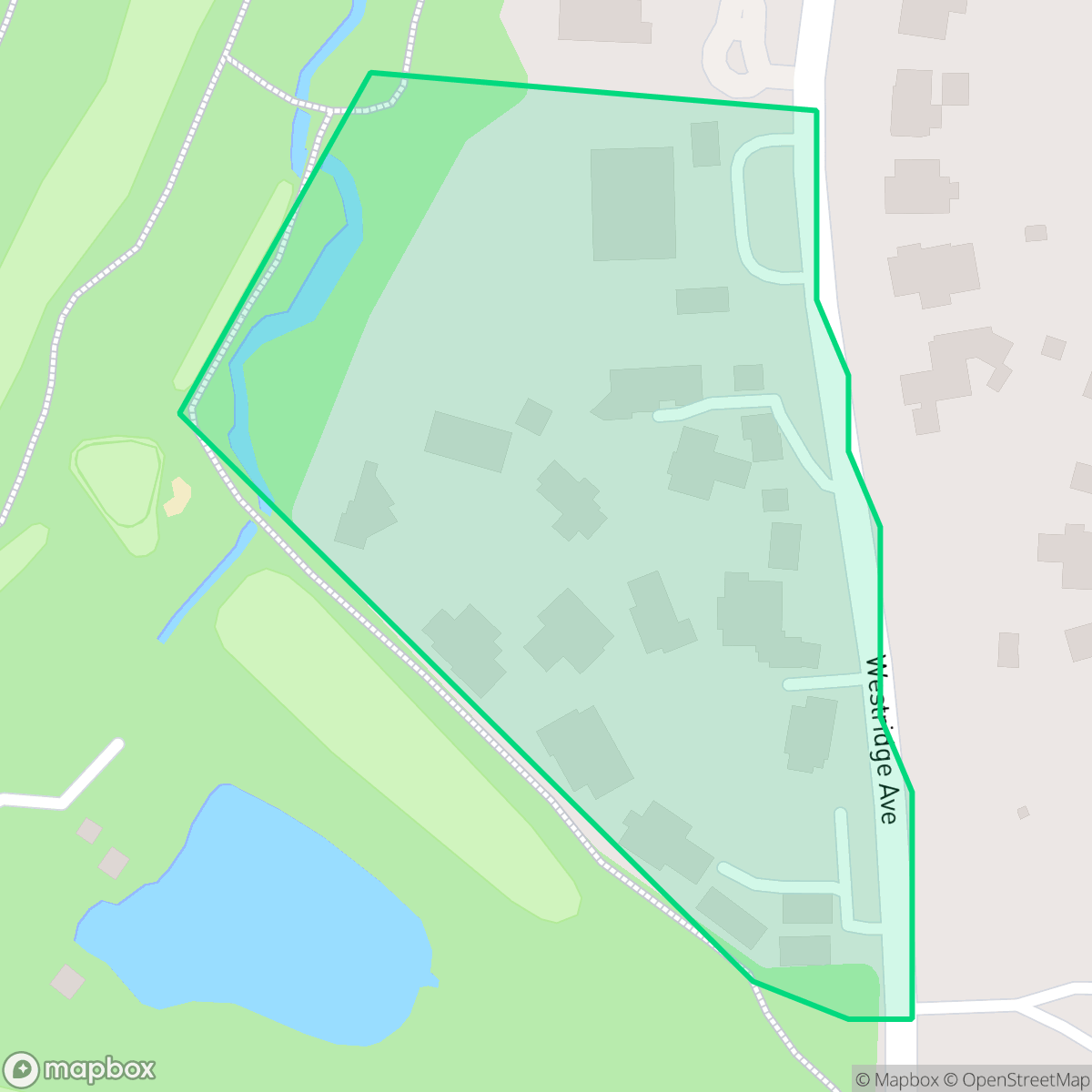
Gardens of Westridge stands out for its serene, rural-like character within the Fort Worth landscape, offering a high degree of visual appeal and privacy that distinguishes it from more densely populated parts of the city. The neighborhood features scattered residential structures set against expansive green spaces, creating a quiet environment that is well-suited for those seeking a retreat from urban congestion. While the area maintains a high level of walkability, daily necessities and local businesses are generally not reachable on foot, requiring residents to utilize nearby transit routes for errands and services.
Living here involves balancing the benefits of a peaceful, low-noise environment with the realities of the local school district, which currently faces significant operational and financial challenges. The neighborhood is particularly well-suited for individuals or families who prioritize aesthetic surroundings, privacy, and a slower pace of life over proximity to high-density commercial centers. With strong flood safety ratings and a stable residential profile, the area provides a secure, albeit quiet, setting for those looking to establish a long-term home in a less hectic part of the city.
Neighborhood Scores Across 15 Qualities
Wide lot separations provide a higher level of seclusion than is typical for Fort Worth. According to iHuus data, residential plots in this area offer more distance between neighboring homes than the city average.
Pedestrian access is limited by sidewalks appearing on only one side of the street, though safe crossings are available. According to iHuus data, walkability in this area is slightly lower than the Fort Worth average.
Custom architecture and expansive privacy buffers provide a much more aesthetic landscape than the Fort Worth average. According to iHuus data, the area features low density residential estates with premium amenities and significant greenery.
Connected green spaces and wide paths provide safe, low-traffic routes for walking pets. According to iHuus data, these features make the area slightly more dog friendly than the Fort Worth average.
Extensive greenery and open landscapes define this area, which offers a significantly more rural setting than the Fort Worth average according to iHuus data.
Low density and significant open space define this area, creating a tranquil environment with limited local business activity. This neighborhood feels less active than the Fort Worth average, as most amenities are not easily accessible on foot.
Frequent noise from nearby heavy traffic and transit corridors is common here. According to iHuus data, acoustic comfort levels are lower than the Fort Worth average.
Air quality levels here fluctuate between acceptable and unhealthy, showing slightly higher levels of concern than the Fort Worth average. Sensitive individuals should monitor local conditions on days when pollutants are more prevalent according to iHuus data.
Industrial activity is non-existent within this area, providing a landscape of quiet streets and open green spaces. This lack of nearby warehouses or manufacturing facilities makes the neighborhood notably cleaner than the Fort Worth average.
Health insurance accessibility is slightly higher than the Fort Worth average. According to iHuus data, a portion of the resident population lacks coverage, which is a factor for those seeking consistent access to medical services.
Political leanings in this area are closely split between conservative and liberal residents, sitting slightly below the Fort Worth average for ideological lean.
Residents live alongside a diverse range of age groups, including young adults, families, and seniors. According to iHuus data, this population spread is more varied than the typical age distribution found across Fort Worth.
Flood risk in this area is higher than the Fort Worth average, though a detailed FEMA study for this specific location has not yet been completed.
Address-Level Insights for Gardens of Westridge


iHuus Neighborhood Intelligence Insights
Get address-level neighborhood insights for Gardens of Westridge
- Street-level scores — see how individual blocks compare, not just neighborhood averages
- Micro-zone boundaries — identify quiet pockets, flood boundaries, and walkable clusters before you visit
- 15 dimensions in full — walkability, noise, air quality, school quality, insurance coverage, population age profile, urban/rural index, and more
- Boundary risk alerts — know if your address sits near a block boundary where scores drop, the kind of detail no listing will ever mention
- School insights — individual school ratings and insights, not just district-level data
- Compare before you commit — side-by-side data across neighborhoods, down to block precision
No credit card required
Compare with Any Neighborhood
| Dimension | Gardens of Westridge | Alamo Heights |
|---|---|---|
| 🚶 Walkabilityavg 7.5 | ||
| 🔊 Acoustic Comfortavg 4.12 | ||
| 🤫 Privacy Indexavg 5.64 | ||
| 🎨 Visual Appealavg 6.38 | ||
| 🐕 Dog Friendlinessavg 6.57 | ||
| 🗺️ Urban-Rural Indexavg 6.92 | ||
| ✨ Neighborhood Vibeavg 4.56 | ||
| 🏥 Health Insurance Coverageavg 5.8 | ||
| 🌿 Air Qualityavg 3.68 | ||
| 🏭 Industrial Proximityavg 8.13 | ||
| 🌊 Flood Safetyavg 3.61 | ||
| 🗳️ Ideological Leanavg 5.62 | ||
| 👥 Population Age Profileavg 4.51 | ||
| 🔥 Fire Safety | ||
| 🏫 School Quality |
Gardens of Westridge Rankings
School Districts Serving Gardens of Westridge
School Insights for Gardens of Westridge
Below average outcomes; significant attendance and academic challenges.
School Insights
See what's really behind every school rating near Gardens of Westridge
- Individual school ratings — each school's own score with outcome context, not just a district average
- Enrollment & class size data — student-to-teacher ratio and how it compares to the state average
- Full demographics breakdown — ethnicity and gender composition for every school in the enrollment zone
- Every school in the district — all schools within the enrollment boundary ranked by rating, not just the closest one
- Grade levels & benchmarks — elementary through high school, with below/above state-average flags
No credit card required