Dells District, Dallas
Updated · 1,248 residents
The Dells District is a quiet residential enclave in Oak Cliff characterized by a blend of historic cottages and mid-century ranch homes. The area maintains a calm atmosphere with modest housing density and convenient access to local dining, though residents should be aware of the limited natural flood protection.
Key Highlights
About Dells District
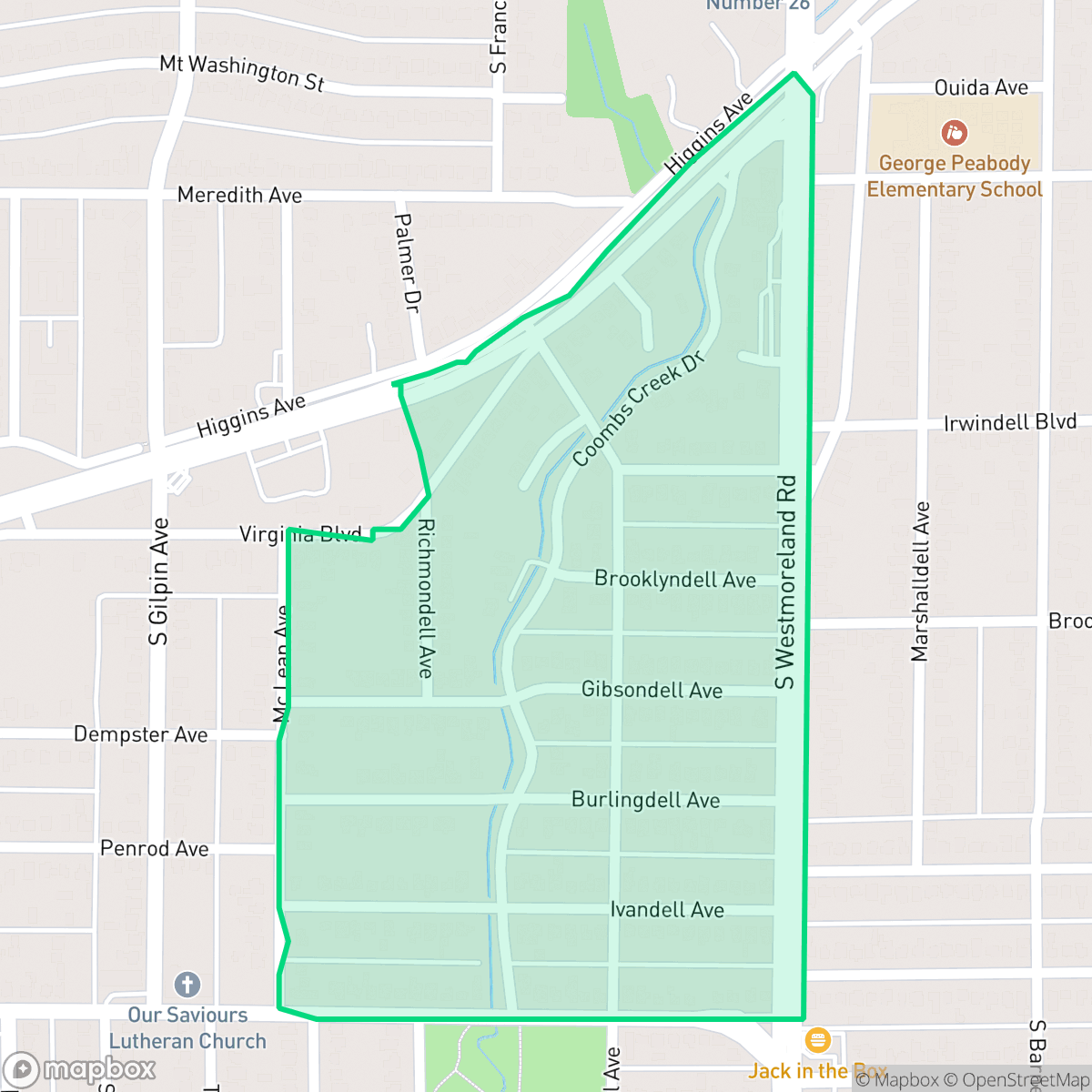
Located southwest of the Jefferson Boulevard and Westmoreland Road intersection in Oak Cliff, the Dells District was first developed in the late 1920s as the Irwindell Addition by a developer named Mr. Irwin. The neighborhood's early character was defined by Tudor cottages built between 1929 and the early 1930s, featuring steep gabled rooflines, brick archways, and porches. Originally, decorative rock arches marked the street corners at the neighborhood's entry, though these were lost when Westmoreland Road was widened. Following World War II, development resumed with the construction of small, traditional ranch-style homes made of pale brick and limestone, designed to match the scale of the earlier cottages. Completed by the Richland Hills addition, this wooded enclave backs up to the riverbed of Coombs' Creek.
This neighborhood offers a stable residential environment defined by its grid layout and proximity to Coombs' Creek. Residents enjoy a relatively calm acoustic environment, with average noise levels measured at 54 decibels, primarily attributed to local road traffic. The area supports a modest social scene with unique dining options such as Taqueria Tacontodo and Tortilleria La Nueva Puntada, which contribute to a consistent local vibe. According to iHuus data, the district maintains a strong residential character with no heavy industrial presence, making it a distinct pocket within the broader Oak Cliff landscape.
Prospective residents should consider the trade-offs associated with the location. While the neighborhood provides a suburban feel with decent walkability on residential streets, it faces challenges regarding air quality and a lack of significant flood mitigation infrastructure. Families with children will interact with the Dallas Independent School District, which presents a varied academic landscape ranging from specialized magnet programs to neighborhood campuses. The area is best suited for those seeking a traditional, quiet neighborhood setting with easy access to the cultural and culinary offerings of the surrounding Oak Cliff community.
Neighborhood Scores Across 15 Qualities
Residential spacing provides a modest amount of separation between homes. According to iHuus data, the density is slightly higher than the Dallas average, with houses situated on standard suburban lots with limited side-yard buffers.
Pedestrian movement is supported by a consistent grid pattern and sidewalks, though some walkways are narrow or partially obscured by mature tree canopy. This level of walkability is slightly below the Dallas average.
Standard middle-class tract housing defines the landscape, featuring consistent rooflines and tidy but small yards. This area offers less visual variety than the Dallas average according to iHuus data.
Public park access and street verges offer some opportunities for pet walking, though options are slightly below the Dallas average. While a large park is available in the southeast corner, much of the neighborhood's greenery is located within private fenced yards.
Residential areas feature a dense suburban grid of single-family homes and small commercial clusters. This level of development is largely in line with the typical urban-rural balance found across Dallas.
A noticeable concentration of social hubs and diverse dining options makes this area more active than the Dallas average. Residents can find a balanced mix of calm suburban streets and accessible local eateries according to iHuus data.
Steady traffic sounds from nearby thoroughfares are present, though levels remain more tranquil than the typical Dallas average. According to iHuus data, the area experiences a consistent ambient hum rather than intense noise disruptions.
Air quality levels in the Dells District typically fluctuate between acceptable and unhealthy, matching the broader Dallas average. Residents with respiratory sensitivities should monitor local conditions for occasional periods of concern.
Residential and light commercial uses dominate the area with no detectable warehouses or hazardous industrial sites. This lack of heavy industry makes the neighborhood cleaner and more tranquil than the Dallas average, according to iHuus data.
Health insurance access is lower than the Dallas average. According to iHuus data, a minority of residents in this area are covered by health insurance plans.
Voting patterns and census indicators show a more liberal leaning than the typical Dallas neighborhood, according to iHuus data.
Residents live alongside a balanced mix of young adults, families, and older individuals. This demographic distribution is largely consistent with the average profile found across Dallas.
Flood risk in this area is significantly higher than the Dallas average. Residents should expect elevated or prohibitive flood insurance costs due to the neighborhood's classification as a high-hazard zone according to iHuus data.
Address-Level Insights for Dells District


iHuus Neighborhood Intelligence Insights
Get address-level neighborhood insights for Dells District
- Street-level scores — see how individual blocks compare, not just neighborhood averages
- Micro-zone boundaries — identify quiet pockets, flood boundaries, and walkable clusters before you visit
- 15 dimensions in full — walkability, noise, air quality, school quality, insurance coverage, population age profile, urban/rural index, and more
- Boundary risk alerts — know if your address sits near a block boundary where scores drop, the kind of detail no listing will ever mention
- School insights — individual school ratings and insights, not just district-level data
- Compare before you commit — side-by-side data across neighborhoods, down to block precision
No credit card required
Compare with Any Neighborhood
| Dimension | Dells District | Arts District |
|---|---|---|
| 🚶 Walkabilityavg 7.43 | ||
| 🔊 Acoustic Comfortavg 3.98 | ||
| 🤫 Privacy Indexavg 5.4 | ||
| 🎨 Visual Appealavg 6.6 | ||
| 🐕 Dog Friendlinessavg 6.65 | ||
| 🗺️ Urban-Rural Indexavg 6.6 | ||
| ✨ Neighborhood Vibeavg 4.96 | ||
| 🏥 Health Insurance Coverageavg 5.31 | ||
| 🌿 Air Qualityavg 4.05 | ||
| 🏭 Industrial Proximityavg 8.56 | ||
| 🌊 Flood Safetyavg 3.3 | ||
| 🗳️ Ideological Leanavg 7.84 | ||
| 👥 Population Age Profileavg 4.6 | ||
| 🔥 Fire Safety | ||
| 🏫 School Quality |
Dells District Rankings
School Districts Serving Dells District
School Insights for Dells District
Below average outcomes; significant attendance and academic challenges.
School Insights
See what's really behind every school rating near Dells District
- Individual school ratings — each school's own score with outcome context, not just a district average
- Enrollment & class size data — student-to-teacher ratio and how it compares to the state average
- Full demographics breakdown — ethnicity and gender composition for every school in the enrollment zone
- Every school in the district — all schools within the enrollment boundary ranked by rating, not just the closest one
- Grade levels & benchmarks — elementary through high school, with below/above state-average flags
No credit card required