Sterling Manor, St. Petersburg
Updated · 369 residents
Sterling Manor is a quiet, semi-rural neighborhood in St. Petersburg characterized by a mix of mobile homes, apartment complexes, and lakeside residences. While the area offers green corridors for pet owners, residents face challenges including high noise levels, significant flood risks, and a heavy reliance on personal vehicles for transportation.
Key Highlights
About Sterling Manor
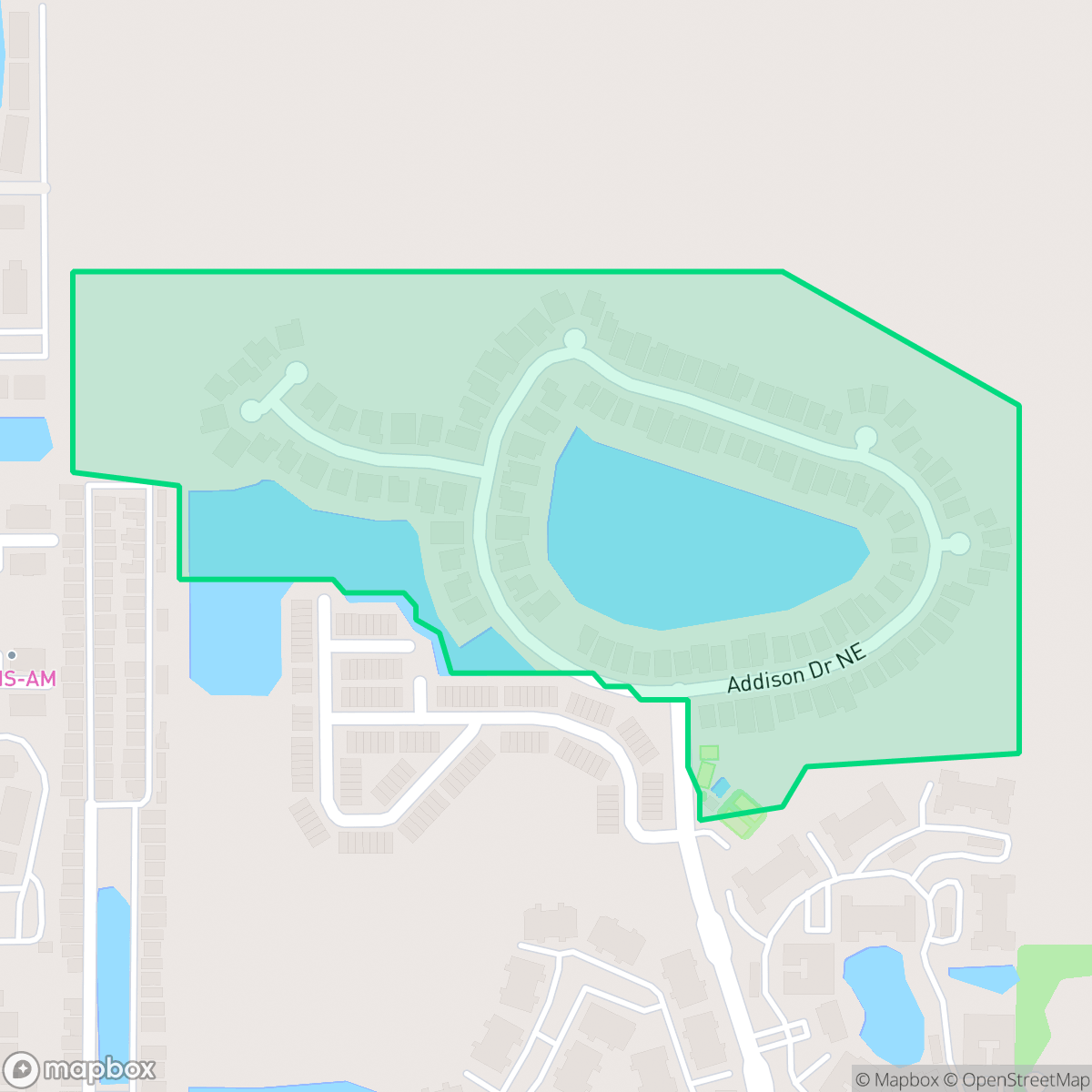
Sterling Manor maintains a subdued, semi-rural atmosphere defined by its varied residential landscape, which includes mobile home parks, apartment buildings, and houses situated near local lakes. The area benefits from a lack of heavy industry, preserving a tranquil setting that is largely residential. Residents enjoy access to scattered green corridors and retention ponds, providing functional spaces for outdoor activities like dog walking. The community is politically diverse with a liberal lean and supports a wide range of age groups, from young adults to older populations.
Prospective residents should note that the neighborhood is car-dependent, as the lack of sidewalks and limited commercial density make walking difficult. The area experiences significant acoustic disturbances and poor air quality, and it is located within a designated floodplain, requiring careful consideration of insurance and safety. While the neighborhood provides a quiet, residential environment, it is best suited for those who prioritize space over urban walkability and central city amenities. The area is served by the Pinellas County School District, which remains academically stable despite ongoing efforts to consolidate campuses due to changing enrollment trends.
Neighborhood Scores Across 15 Qualities
Residential spacing varies significantly across the area, with mobile home parks presenting higher density than more buffered lakefront properties. According to iHuus data, this provides a slightly greater sense of separation between neighbors than the St. Petersburg average.
Internal residential streets offer low traffic volumes for walking, though a lack of sidewalks and reliance on major arterials for connectivity makes the area slightly less walkable than the St. Petersburg average.
Residential aesthetics feature a mix of modest mobile homes, apartment blocks, and lakeside houses. This varied landscape offers a functional visual character that is slightly below the St. Petersburg average.
Retention ponds and green corridors throughout the area offer consistent opportunities for pet exercise. This level of access to greenery is slightly above the St. Petersburg average.
Open land and scattered greenery define this area, offering a more semi-rural feel than the typical St. Petersburg urban landscape. According to iHuus data, the neighborhood features a mix of dense suburban apartment complexes interspersed with pockets of woodland and fields.
Limited commercial activity and few points of interest create a subdued atmosphere that is less lively than the St. Petersburg average. According to iHuus data, the area consists primarily of established housing blocks with minimal street life or retail density.
Persistent acoustic disturbances are common in this area, with noise levels significantly higher than the St. Petersburg average according to iHuus data.
Frequent unhealthy air quality levels pose a significant risk to sensitive groups. According to iHuus data, these conditions are slightly worse than the St. Petersburg average.
Residential tranquility is well-maintained here due to a lack of heavy industry, offering much lower industrial proximity than the St. Petersburg average according to iHuus data. Most areas consist of quiet streets and green spaces, with only occasional light commercial footprints or self-storage facilities located on the southern edge.
Health insurance enrollment among residents is lower than the average found throughout St. Petersburg, according to iHuus data.
Political leanings in this area favor liberal perspectives more than the typical St. Petersburg resident. According to iHuus data, a liberal majority exists here alongside a modest opposing presence.
Residents live alongside a balanced mix of young adults, families, and older populations. This demographic spread is slightly lower than the St. Petersburg average according to iHuus data.
Significant flood risk exists within this area as it sits inside a designated floodplain. According to iHuus data, this level of vulnerability is higher than the average found across St. Petersburg.
Address-Level Insights for Sterling Manor


iHuus Neighborhood Intelligence Insights
Get address-level neighborhood insights for Sterling Manor
- Street-level scores — see how individual blocks compare, not just neighborhood averages
- Micro-zone boundaries — identify quiet pockets, flood boundaries, and walkable clusters before you visit
- 15 dimensions in full — walkability, noise, air quality, school quality, insurance coverage, population age profile, urban/rural index, and more
- Boundary risk alerts — know if your address sits near a block boundary where scores drop, the kind of detail no listing will ever mention
- School insights — individual school ratings and insights, not just district-level data
- Compare before you commit — side-by-side data across neighborhoods, down to block precision
No credit card required
Compare with Any Neighborhood
| Dimension | Sterling Manor | Albert Whitted Airport |
|---|---|---|
| 🚶 Walkabilityavg 6.61 | ||
| 🔊 Acoustic Comfortavg 3.78 | ||
| 🤫 Privacy Indexavg 5.45 | ||
| 🎨 Visual Appealavg 6.33 | ||
| 🐕 Dog Friendlinessavg 5.45 | ||
| 🗺️ Urban-Rural Indexavg 6.19 | ||
| ✨ Neighborhood Vibeavg 3.5 | ||
| 🏥 Health Insurance Coverageavg 6.88 | ||
| 🌿 Air Qualityavg 1.87 | ||
| 🏭 Industrial Proximityavg 7.55 | ||
| 🌊 Flood Safetyavg 4.61 | ||
| 🗳️ Ideological Leanavg 6.01 | ||
| 👥 Population Age Profileavg 5.11 | ||
| 🔥 Fire Safety | ||
| 🏫 School Quality |
Sterling Manor Rankings
School Districts Serving Sterling Manor
School Insights for Sterling Manor
Below average outcomes; significant attendance and academic challenges.
School Insights
See what's really behind every school rating near Sterling Manor
- Individual school ratings — each school's own score with outcome context, not just a district average
- Enrollment & class size data — student-to-teacher ratio and how it compares to the state average
- Full demographics breakdown — ethnicity and gender composition for every school in the enrollment zone
- Every school in the district — all schools within the enrollment boundary ranked by rating, not just the closest one
- Grade levels & benchmarks — elementary through high school, with below/above state-average flags
No credit card required