Bair Island, Redwood City
Updated · 408 residents
Bair Island is a quiet, water-oriented community in Redwood City defined by its immediate proximity to the Don Edwards San Francisco Bay National Wildlife Refuge. Residents enjoy an exceptionally walkable environment that is highly accommodating for dog owners, offering a serene coastal lifestyle away from the city's commercial bustle.
Key Highlights
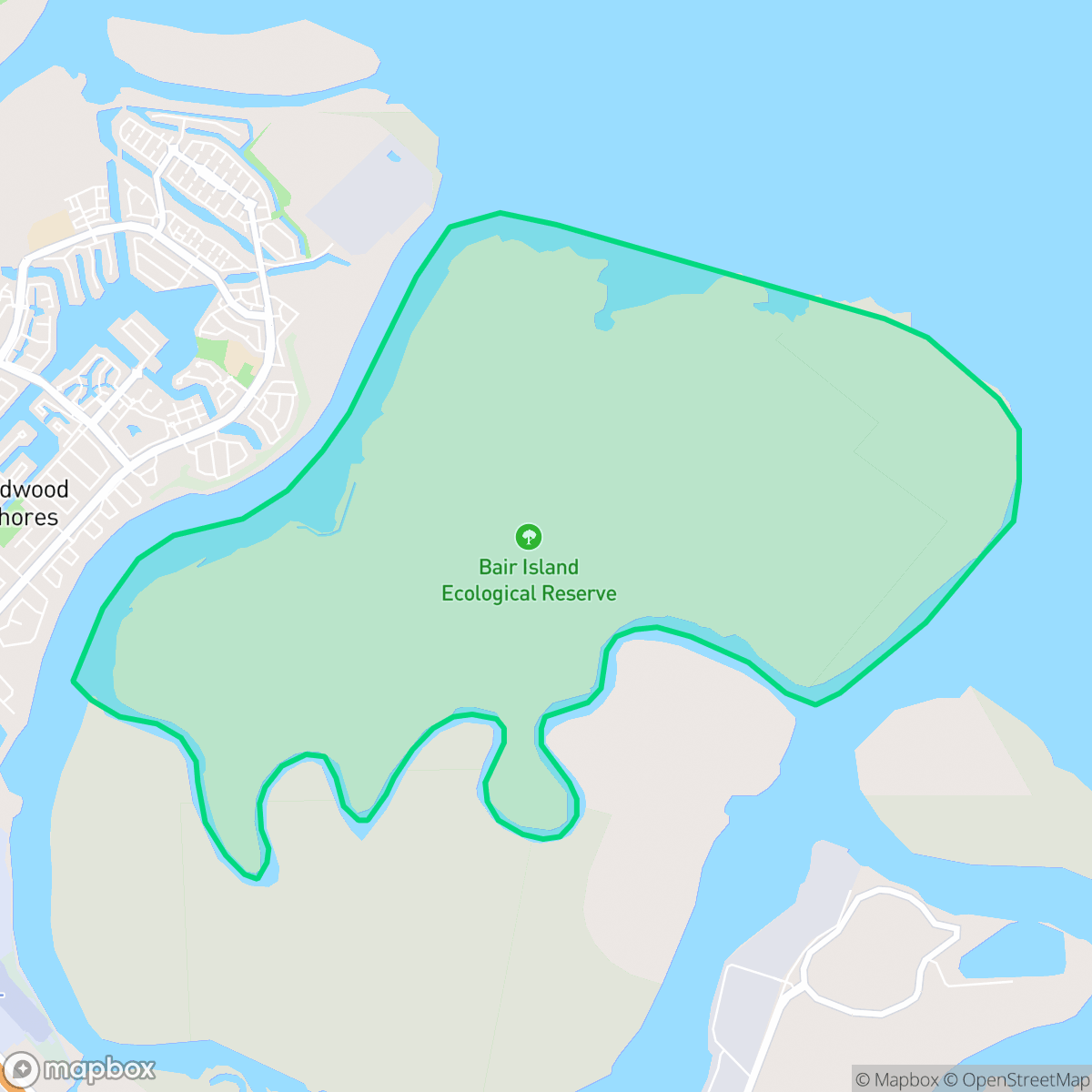
About Bair Island
The Bair Island neighborhood in Redwood City is deeply connected to the adjacent 3,000-acre marshland of the same name. Named after 1920s cattle rancher Fred Bair, the area was historically diked for agriculture and later used by the Leslie Salt Company for evaporation ponds. In the 1970s, Mobil Oil proposed "South Shores," a massive residential and commercial development on the marshland. However, local citizens led by Ralph and Carolyn Nobles narrowly defeated the plan in a landmark 1982 referendum (Measure O). This preserved the wetlands, which were acquired by the Peninsula Open Space Trust in 1996 and integrated into the Don Edwards San Francisco Bay National Wildlife Refuge. Today, the residential neighborhood consists of water-oriented condominiums and marinas, such as One Marina, situated alongside the restored ecological reserve.
The area functions as a secluded residential enclave characterized by modern, water-facing condominiums and private marinas. Its layout emphasizes connectivity to the surrounding marshlands, creating an atmosphere that feels distinct from the dense urban core of Redwood City. The neighborhood maintains a high level of acoustic comfort, benefiting from low traffic noise and an absence of major industrial activity, which contributes to its peaceful, nature-adjacent appeal.
Prospective residents should note that the neighborhood offers limited commercial infrastructure, requiring travel for daily errands and dining. While the high walkability and dog-friendly streets are significant assets, the density of the residential design results in lower levels of personal privacy. This community is best suited for individuals or families who prioritize access to outdoor recreation, quiet surroundings, and a lifestyle centered on the bay, rather than those seeking a vibrant, amenity-rich urban environment.
Neighborhood Scores Across 15 Qualities
Building layouts include some closely spaced structures and shared walls, resulting in a lower sense of privacy than the Redwood City average. Residents may find less buffer between neighbors in certain townhouse and apartment areas according to iHuus data.
Continuous sidewalks and pedestrian-priority paths make navigating the area on foot easy. This level of accessibility for pedestrians is significantly higher than the Redwood City average, according to iHuus data.
Landscaped grounds and large homes with complex architectural features define this area. According to iHuus data, the visual environment is notably more polished than the Redwood City average.
Extensive waterfront trails and connected green corridors provide much more space for pets than is typical for Redwood City. These wide, traffic-safe paths make the area highly suitable for frequent exercise and outdoor activity.
Expansive wetlands and tidal sloughs provide a more open, natural landscape than most of Redwood City. According to iHuus data, the area features frequent open land and scattered structures situated near marshlands.
Minimal commercial activity and vast open landscapes create a much more tranquil environment than the Redwood City average. This area offers a serene, rural character with very few local businesses or social hubs for residents to visit.
Acoustic levels are notably lower than the Redwood City average, consisting primarily of infrequent distant traffic or passing trains. According to iHuus data, the area remains largely undisturbed by consistent ambient noise.
Air quality levels fluctuate between acceptable and unhealthy, presenting occasional concerns for sensitive groups. According to iHuus data, this neighborhood sits slightly below the Redwood City average.
Residential areas remain largely free of warehouses or hazardous facilities, making this neighborhood notably more isolated from industrial activity than the Redwood City average. While some utility infrastructure and port-adjacent elements are visible nearby, the area lacks large scale commercial or industrial manufacturing.
Health insurance access is exceptionally high among residents, notably surpassing the Redwood City average according to iHuus data.
Voting patterns and census indicators reflect a deeply liberal political leaning that is very similar to the broader Redwood City area, according to iHuus data.
Residents live alongside a varied mix of young adults, families, and older individuals. This age distribution is largely consistent with the broader Redwood City area, according to iHuus data.
Residual flood risk exists due to the area's location within a floodplain; however, safety levels are notably higher than the Redwood City average according to iHuus data.
Address-Level Insights for Bair Island


iHuus Neighborhood Intelligence Insights
Get address-level neighborhood insights for Bair Island
- Street-level scores — see how individual blocks compare, not just neighborhood averages
- Micro-zone boundaries — identify quiet pockets, flood boundaries, and walkable clusters before you visit
- 15 dimensions in full — walkability, noise, air quality, school quality, insurance coverage, population age profile, urban/rural index, and more
- Boundary risk alerts — know if your address sits near a block boundary where scores drop, the kind of detail no listing will ever mention
- School insights — individual school ratings and insights, not just district-level data
- Compare before you commit — side-by-side data across neighborhoods, down to block precision
No credit card required
Compare with Any Neighborhood
| Dimension | Bair Island | Ampex |
|---|---|---|
| 🚶 Walkabilityavg 8.4 | ||
| 🔊 Acoustic Comfortavg 4.29 | ||
| 🤫 Privacy Indexavg 4.9 | ||
| 🎨 Visual Appealavg 7 | ||
| 🐕 Dog Friendlinessavg 6.12 | ||
| 🗺️ Urban-Rural Indexavg 6.63 | ||
| ✨ Neighborhood Vibeavg 4.41 | ||
| 🏥 Health Insurance Coverageavg 7.97 | ||
| 🌿 Air Qualityavg 6.23 | ||
| 🏭 Industrial Proximityavg 8.38 | ||
| 🌊 Flood Safetyavg 4.84 | ||
| 🗳️ Ideological Leanavg 9.73 | ||
| 👥 Population Age Profileavg 4.84 | ||
| 🔥 Fire Safetyavg 0.22 | ||
| 🏫 School Quality |
Bair Island Rankings
School Districts Serving Bair Island
School Insights for Bair Island
Below average outcomes; significant attendance and academic challenges.
School Insights
See what's really behind every school rating near Bair Island
- Individual school ratings — each school's own score with outcome context, not just a district average
- Enrollment & class size data — student-to-teacher ratio and how it compares to the state average
- Full demographics breakdown — ethnicity and gender composition for every school in the enrollment zone
- Every school in the district — all schools within the enrollment boundary ranked by rating, not just the closest one
- Grade levels & benchmarks — elementary through high school, with below/above state-average flags
No credit card required