Oak Haven, Redding
Updated · 786 residents
Oak Haven is a quiet, residential enclave in Redding known for its high walkability and scenic, green suburban blocks. While it offers a peaceful atmosphere with excellent access to local pedestrian paths, residents should be aware of significant acoustic challenges and environmental risks common to this part of the city.
Key Highlights
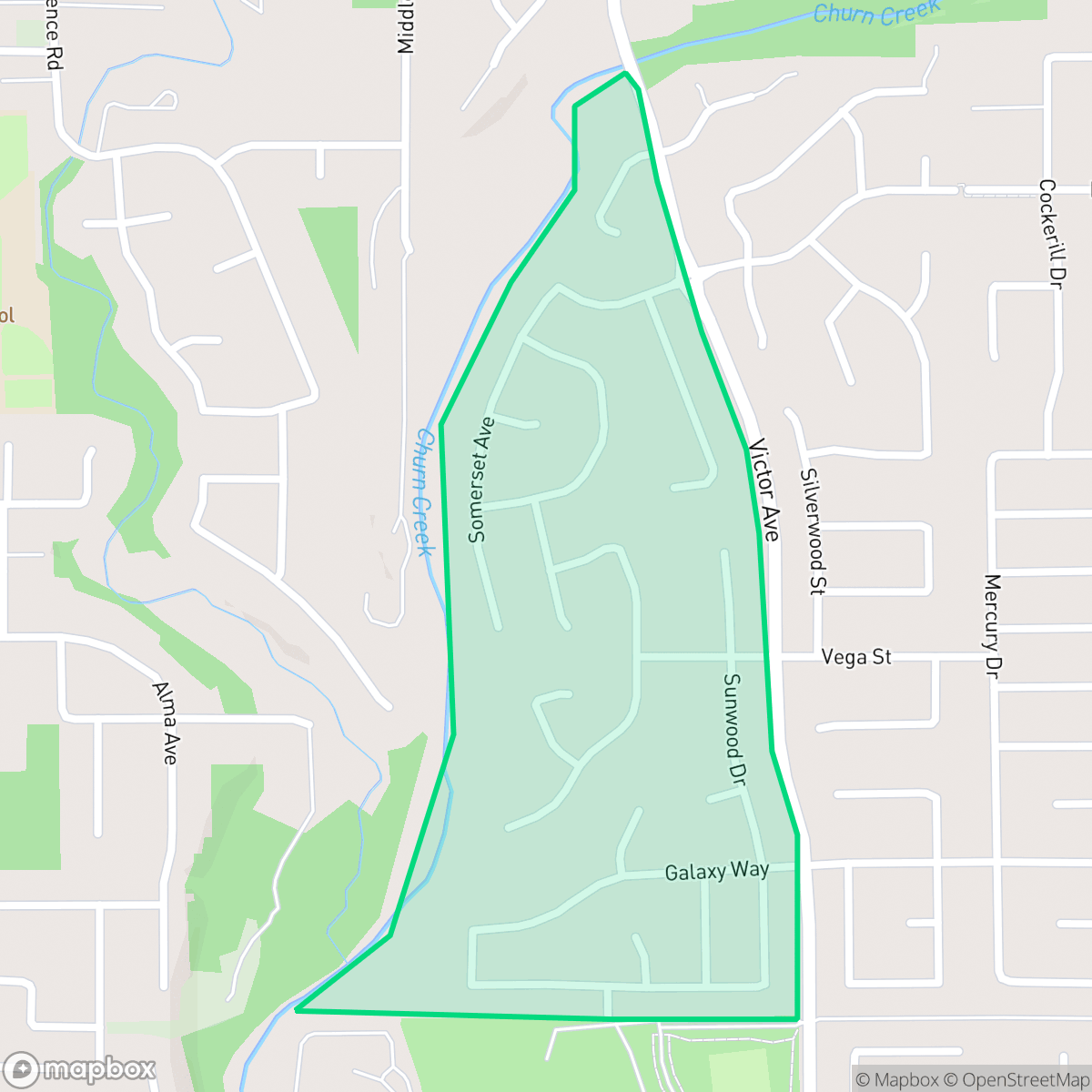
About Oak Haven
Oak Haven is a small, predominantly residential neighborhood characterized by its quiet streets and proximity to open green spaces. The area maintains a strong suburban feel, with a layout that encourages walking and outdoor activity for local residents. It is visually appealing and highly dog-friendly, making it a popular choice for those who value a neighborhood setting that feels removed from the bustle of commercial centers, despite being located within the broader Redding metropolitan area.
Prospective residents should weigh the neighborhood's aesthetic and walkability benefits against specific livability trade-offs. The area experiences significant noise issues, and data indicates elevated risks regarding fire and flood safety that are important for long-term planning. Additionally, the neighborhood features a younger population profile and limited access to health insurance coverage compared to regional averages, making it best suited for individuals who prioritize a walkable, community-oriented environment while remaining mindful of local environmental and infrastructure factors.
Neighborhood Scores Across 15 Qualities
Residential spacing in Oak Haven offers a mix of open areas and some buffer between neighbors, sitting slightly below the Redding average for privacy. According to iHuus data, the neighborhood density is moderate with varying distances between adjacent properties.
Safe crossings and sidewalks on select streets make much of the area accessible on foot, offering better walkability than the typical Redding neighborhood. According to iHuus data, the infrastructure supports easy pedestrian movement throughout the area.
Large homes and premium amenities contribute to a landscape that is more visually polished than the Redding average. According to iHuus data, the area features wide driveways and well-maintained properties.
Wide paths and connected green spaces provide safe areas for walking pets away from traffic. This level of accessibility is nearly identical to the Redding average according to iHuus data.
Open land and scattered homes amidst woodland characterize this area. This landscape is slightly less developed than the typical Redding surroundings, according to iHuus data.
A mix of quiet residential blocks and accessible dining options provides a level of activity that is slightly higher than the Redding average. While some areas remain very low density, other pockets offer a steady flow of local services and social spaces near waterfront features.
Acoustic levels remain notably lower than the Redding average, with noise consisting primarily of infrequent trains or distant vehicle traffic. According to iHuus data, the area offers a much more tranquil environment than most parts of the city.
Air quality in this area fluctuates between acceptable and unhealthy levels. According to iHuus data, the air quality is slightly lower than the Redding average, which may cause occasional concern for sensitive groups.
Residential tranquility is maintained by an absence of warehouses, industrial facilities, or hazard sites. This area features a higher level of separation from industrial activity than the Redding average, consisting instead of quiet streets and open green spaces.
Health insurance access among residents is slightly below the Redding average, according to iHuus data.
Political trends in this area align with the broader conservative landscape seen across Redding. According to iHuus data, voting patterns and census indicators reflect a stable conservative presence.
Residents experience a balanced demographic mix of young adults, families, and seniors. According to iHuus data, this age distribution is slightly more concentrated toward younger and middle-aged cohorts than the Redding city average.
Significant flood risk exists in this area due to its location in a high-hazard zone. According to iHuus data, this level of risk is considerably higher than the Redding average and may result in elevated insurance costs.
Wildfire hazards in this area are severe; current conditions pose a significantly higher danger than the Redding average. According to iHuus data, maximum fire protection and preparedness measures are necessary for residents.
Address-Level Insights for Oak Haven


iHuus Neighborhood Intelligence Insights
Get address-level neighborhood insights for Oak Haven
- Street-level scores — see how individual blocks compare, not just neighborhood averages
- Micro-zone boundaries — identify quiet pockets, flood boundaries, and walkable clusters before you visit
- 15 dimensions in full — walkability, noise, air quality, school quality, insurance coverage, population age profile, urban/rural index, and more
- Boundary risk alerts — know if your address sits near a block boundary where scores drop, the kind of detail no listing will ever mention
- School insights — individual school ratings and insights, not just district-level data
- Compare before you commit — side-by-side data across neighborhoods, down to block precision
No credit card required
Compare with Any Neighborhood
| Dimension | Oak Haven | Kutras Tract |
|---|---|---|
| 🚶 Walkabilityavg 6.64 | ||
| 🔊 Acoustic Comfortavg 4.24 | ||
| 🤫 Privacy Indexavg 6.22 | ||
| 🎨 Visual Appealavg 7.02 | ||
| 🐕 Dog Friendlinessavg 7.58 | ||
| 🗺️ Urban-Rural Indexavg 7.99 | ||
| ✨ Neighborhood Vibeavg 4.12 | ||
| 🏥 Health Insurance Coverageavg 6.95 | ||
| 🌿 Air Qualityavg 6.42 | ||
| 🏭 Industrial Proximityavg 8.8 | ||
| 🌊 Flood Safetyavg 3.38 | ||
| 🗳️ Ideological Leanavg 1.12 | ||
| 👥 Population Age Profileavg 5.16 | ||
| 🔥 Fire Safetyavg 1.22 | ||
| 🏫 School Quality |
Oak Haven Rankings
School Districts Serving Oak Haven
School Insights for Oak Haven
Below average outcomes; significant attendance and academic challenges.
School Insights
See what's really behind every school rating near Oak Haven
- Individual school ratings — each school's own score with outcome context, not just a district average
- Enrollment & class size data — student-to-teacher ratio and how it compares to the state average
- Full demographics breakdown — ethnicity and gender composition for every school in the enrollment zone
- Every school in the district — all schools within the enrollment boundary ranked by rating, not just the closest one
- Grade levels & benchmarks — elementary through high school, with below/above state-average flags
No credit card required