Gene Autry, Palm Springs
Updated · 1,048 residents
Gene Autry is a quiet residential enclave defined by its significant collection of midcentury modern homes designed by architect Hugh Kaptur. While the neighborhood offers high visual appeal and a tranquil atmosphere, residents should be aware of elevated road noise levels and a reliance on personal vehicles for daily errands.
Key Highlights
About Gene Autry
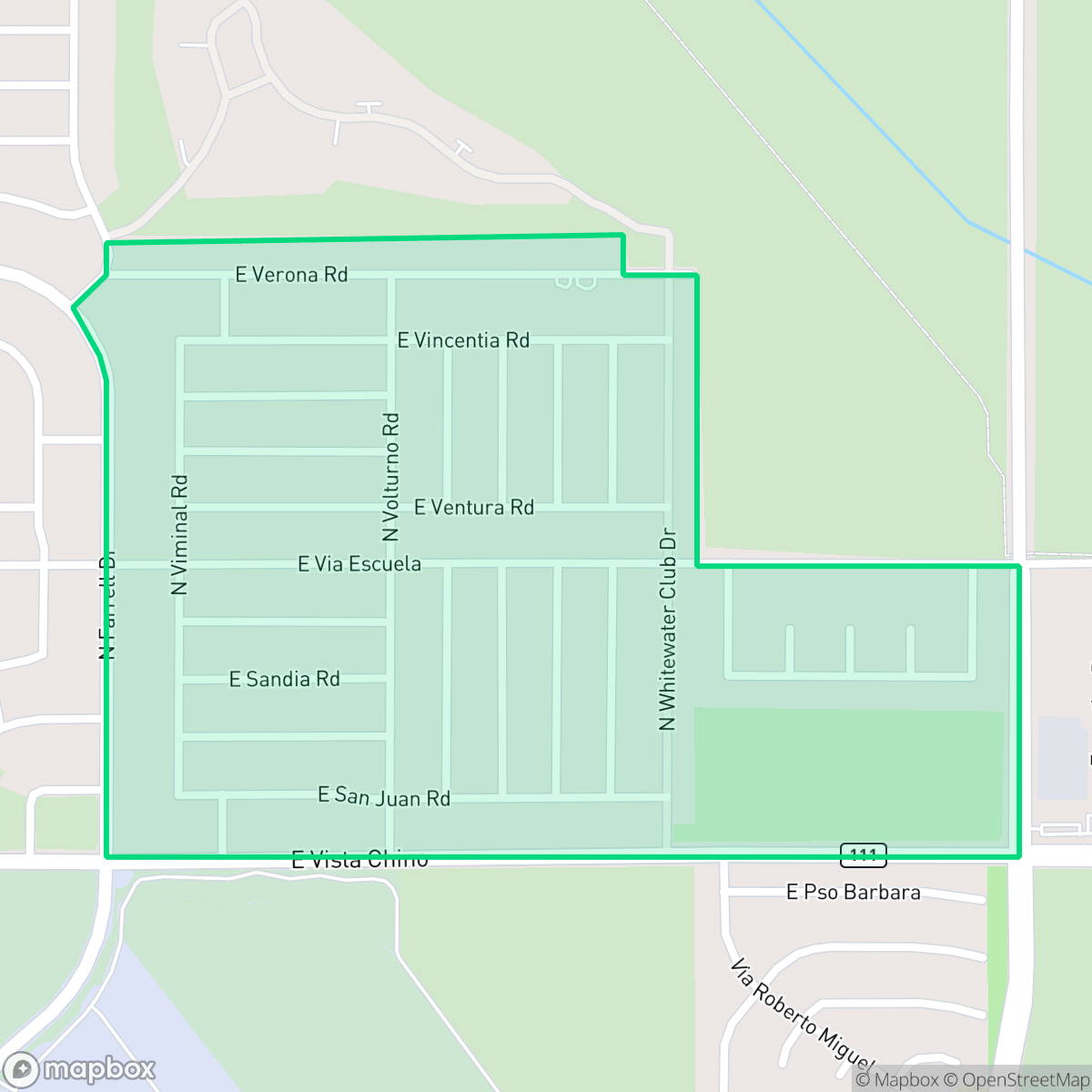
Named after the legendary "singing cowboy" who once resided in Palm Springs, the Gene Autry neighborhood is a quiet, entirely residential enclave located in the northeast section of the city, just north of the Palm Springs International Airport. The neighborhood is highly regarded for its architectural significance, most notably featuring over 100 homes designed by the renowned midcentury modern architect Hugh Kaptur. Developed starting in the late 1950s, the area features an eclectic mix of architectural styles, ranging from classic midcentury modern designs to contemporary ranch-style homes. Sited on fee land with picturesque views of the San Jacinto Mountains, this well-maintained neighborhood offers a peaceful suburban atmosphere while remaining closely connected to downtown Palm Springs and local cultural landmarks like the Palm Springs Air Museum.
This area serves as a peaceful retreat in the northeast section of Palm Springs, characterized by its low-density layout and open green spaces. The architectural landscape remains a primary draw, with many homes featuring the distinct lines and design elements that define midcentury modern aesthetics. Because the neighborhood sits near the airport and major thoroughfares, it maintains a strong connection to the broader city while preserving a distinct, suburban feel that prioritizes privacy and aesthetic consistency.
Prospective residents should consider that the area is primarily car-oriented, as daily services typically require a short drive. While the neighborhood scores well for air quality and flood safety, it experiences significant acoustic impacts from nearby road traffic. Families with children should evaluate the local school district, which currently faces challenges related to academic consistency and teacher recruitment. The area is best suited for those who prioritize architectural heritage and a quiet, low-density environment over immediate access to urban nightlife or high-density amenities.
Neighborhood Scores Across 15 Qualities
Residential spacing is consistent with the Palm Springs average, offering a mix of varying distances between neighbors. According to iHuus data, the area provides some degree of buffer between properties without extreme isolation.
Sidewalks are available on one side of the street with safe crossings provided. This level of pedestrian accessibility is slightly below the Palm Springs average according to iHuus data.
Large residential lots and frequent upscale amenities contribute to an aesthetic that is slightly above the Palm Springs average, according to iHuus data.
Opportunities for pet exercise are relatively sparse in this area, as the availability of wide green verges and direct public park access is below the Palm Springs average according to iHuus data.
Open land and scattered homes predominate this area, offering a more rural feel than the Palm Springs average. According to iHuus data, the landscape features frequent open spaces and residential pockets situated among fields or woodland.
Low density and significant open space define this area, which lacks a distinct commercial character or concentrated local business hubs. According to iHuus data, the neighborhood feels more rural and car-dependent than the typical Palm Springs setting.
Frequent sounds from nearby railroad tracks and heavy freeway traffic characterize the area. According to iHuus data, acoustic comfort in Gene Autry is notably lower than the Palm Springs average.
Air quality in this area remains mostly clean with infrequent periods of elevated readings. This level of air purity is roughly consistent with the broader Palm Springs average, according to iHuus data.
Industrial activity is virtually nonexistent in this area, offering a landscape free from warehouses or hazard sites. This lack of industrial proximity is even more pronounced here than in the broader Palm Springs area, according to iHuus data.
Health insurance enrollment among residents is notably higher than the Palm Springs city average, according to iHuus data.
Voting patterns and census indicators show a predominantly liberal leaning that is consistent with the broader Palm Springs area, according to iHuus data.
Residents live alongside a balanced variety of young adults, families, and older individuals. This age distribution is slightly more varied than the average seen across Palm Springs, according to iHuus data.
Flood risk in this area is notably higher than the Palm Springs average due to its location within a 500-year floodplain. According to iHuus data, some residual flood risk exists despite being situated in a relatively low-risk zone.
Address-Level Insights for Gene Autry


iHuus Neighborhood Intelligence Insights
Get address-level neighborhood insights for Gene Autry
- Street-level scores — see how individual blocks compare, not just neighborhood averages
- Micro-zone boundaries — identify quiet pockets, flood boundaries, and walkable clusters before you visit
- 15 dimensions in full — walkability, noise, air quality, school quality, insurance coverage, population age profile, urban/rural index, and more
- Boundary risk alerts — know if your address sits near a block boundary where scores drop, the kind of detail no listing will ever mention
- School insights — individual school ratings and insights, not just district-level data
- Compare before you commit — side-by-side data across neighborhoods, down to block precision
No credit card required
Compare with Any Neighborhood
| Dimension | Gene Autry | Andreas Hills |
|---|---|---|
| 🚶 Walkabilityavg 8.06 | ||
| 🔊 Acoustic Comfortavg 3.6 | ||
| 🤫 Privacy Indexavg 6 | ||
| 🎨 Visual Appealavg 7.66 | ||
| 🐕 Dog Friendlinessavg 6.14 | ||
| 🗺️ Urban-Rural Indexavg 7.27 | ||
| ✨ Neighborhood Vibeavg 4.76 | ||
| 🏥 Health Insurance Coverageavg 7.38 | ||
| 🌿 Air Qualityavg 8.11 | ||
| 🏭 Industrial Proximityavg 9.12 | ||
| 🌊 Flood Safetyavg 5.92 | ||
| 🗳️ Ideological Leanavg 9.69 | ||
| 👥 Population Age Profileavg 6.29 | ||
| 🔥 Fire Safetyavg 0.39 | ||
| 🏫 School Quality |
Gene Autry Rankings
School Districts Serving Gene Autry
School Insights for Gene Autry
Below average outcomes; significant attendance and academic challenges.
School Insights
See what's really behind every school rating near Gene Autry
- Individual school ratings — each school's own score with outcome context, not just a district average
- Enrollment & class size data — student-to-teacher ratio and how it compares to the state average
- Full demographics breakdown — ethnicity and gender composition for every school in the enrollment zone
- Every school in the district — all schools within the enrollment boundary ranked by rating, not just the closest one
- Grade levels & benchmarks — elementary through high school, with below/above state-average flags
No credit card required