Peninsula, Long Beach
Updated · 1,498 residents
The Peninsula is a narrow coastal enclave defined by its exceptional walkability and upscale waterfront architecture. Residents enjoy a serene, dog-friendly atmosphere with direct access to both Alamitos Bay and the Pacific Ocean.
Key Highlights
About Peninsula
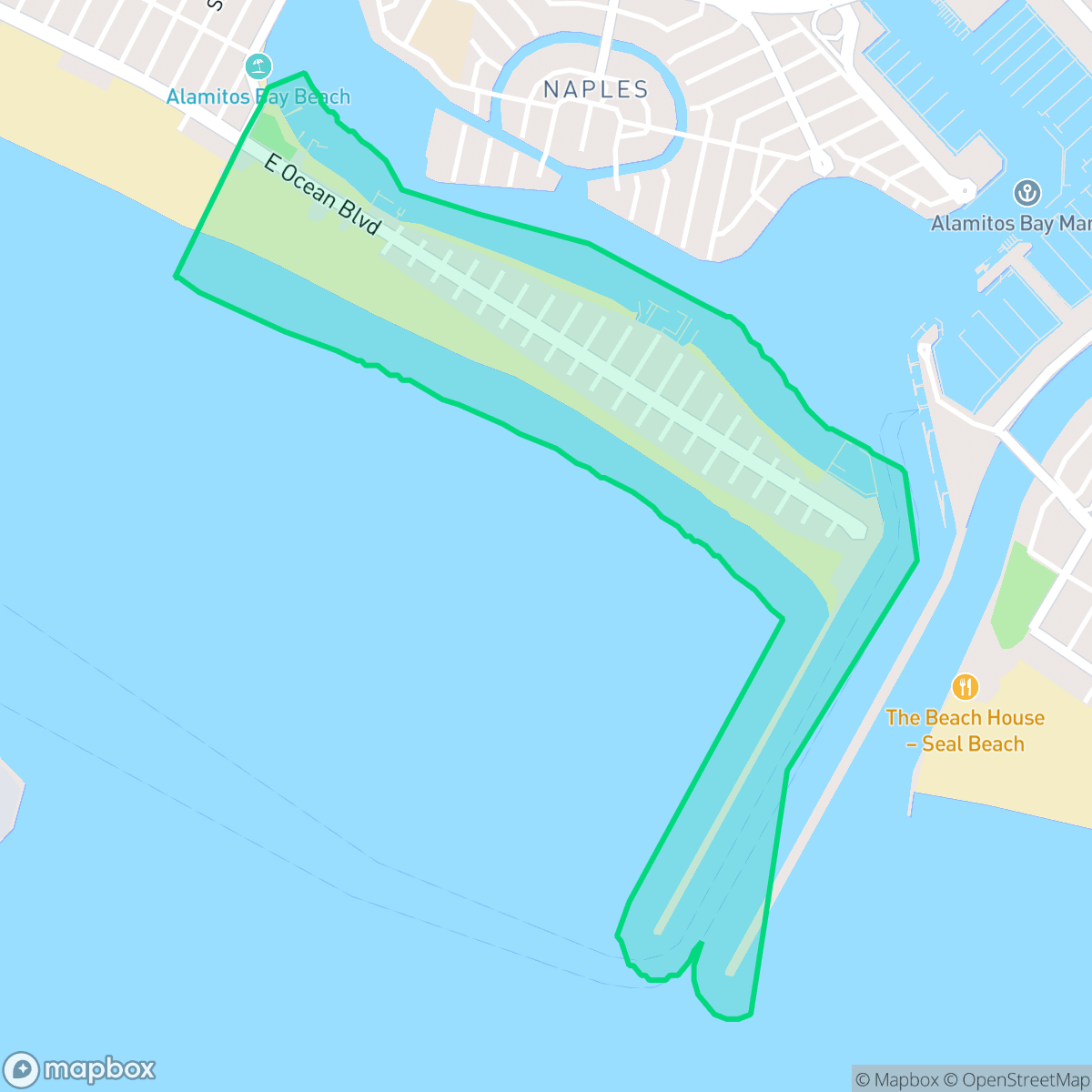
The Peninsula in Long Beach is a narrow sand spit separating Alamitos Bay from the Pacific Ocean. Developed as a seasonal retreat between 1902 and 1904, the neighborhood originally catered to affluent residents from Los Angeles and Pasadena who accessed the area via the Pacific Electric 'Red Car' railway line. The community retains a distinct character shaped by its geography, featuring a mix of early 20th-century Craftsman bungalows and mid-century modern architecture. Historically, the Peninsula served as a quiet refuge for notable figures, including author Upton Sinclair, who used a local summer home as a writing retreat in the late 1920s, reportedly hosting guests such as Albert Einstein and Charlie Chaplin. Today, the area is defined by its 1920s-era Seaside Walk Boardwalk, the 1926 Alamitos Bay Yacht Club, and its enduring role as a recreational waterfront enclave.
The area offers a distinct coastal suburban environment, characterized by its grid of single-family homes and proximity to premium waterfront amenities. The air quality is notably cleaner than the city average, and the lack of industrial activity ensures a quiet, residential atmosphere. The streetscape is visually refined, featuring high-end architecture and private docks that contribute to its status as a desirable waterfront destination.
Prospective residents should weigh the benefits of this location against specific environmental and structural trade-offs. The neighborhood is situated within a designated floodplain, necessitating careful consideration of insurance needs. Additionally, the density of the housing stock results in limited privacy between neighbors, and residents may notice moderate traffic noise from nearby busy streets. Families should note that the local school district is currently managing a significant budget deficit and organizational transitions.
Neighborhood Scores Across 15 Qualities
Structures are closely packed with minimal separation between homes, resulting in a lower privacy level than the Long Beach average. According to iHuus data, residents may experience reduced buffers between neighboring properties.
Pedestrian access is exceptional due to a consistent sidewalk grid and dedicated waterfront paths. This level of walkability sits well above the Long Beach average, making most local trips easy to complete on foot.
Premium waterfront properties and luxury architecture provide a highly aesthetic streetscape that is significantly more visually appealing than the Long Beach average. According to iHuus data, the presence of private docks and high-density upscale amenities contributes to a refined visual environment.
Extensive access to the beach and boardwalk provides ample space for pet walking; according to iHuus data, this area offers significantly more pet-friendly infrastructure than the Long Beach average.
Dense coastal grids containing single-family homes and small multi-story complexes provide a more developed feel than the city average. This layout offers a balance of residential density and access to open coastal areas according to iHuus data.
Coastal streets and green spaces provide a serene atmosphere with a steady rhythm of local dining and leisure. While the area offers diverse amenities, the level of commercial activity is slightly lower than the Long Beach average.
Consistent sounds from nearby busy streets characterize the area, though acoustic comfort remains notably higher than the Long Beach average according to iHuus data.
Air quality is consistently high with minimal health concerns. According to iHuus data, levels are notably cleaner than the Long Beach average.
Industrial activity and warehouses are entirely absent from this area. Residents benefit from a landscape of quiet streets and green spaces that is significantly more free of industrial hazards than the Long Beach average.
Health insurance accessibility is significantly higher in this area than the Long Beach average, according to iHuus data.
Political leanings in this area are more moderate than the heavily liberal trends seen across the rest of Long Beach; according to iHuus data, the neighborhood maintains a more balanced ideological mix.
A balanced spread of young adults, families, and older residents characterizes this area. According to iHuus data, the population age profile is more diverse than the Long Beach average.
Significant flood risk exists here due to the area being within a designated floodplain, which is notably higher than the Long Beach average. Residents should prepare for potential water hazards and the likely necessity of flood insurance.
Address-Level Insights for Peninsula


iHuus Neighborhood Intelligence Insights
Get address-level neighborhood insights for Peninsula
- Street-level scores — see how individual blocks compare, not just neighborhood averages
- Micro-zone boundaries — identify quiet pockets, flood boundaries, and walkable clusters before you visit
- 15 dimensions in full — walkability, noise, air quality, school quality, insurance coverage, population age profile, urban/rural index, and more
- Boundary risk alerts — know if your address sits near a block boundary where scores drop, the kind of detail no listing will ever mention
- School insights — individual school ratings and insights, not just district-level data
- Compare before you commit — side-by-side data across neighborhoods, down to block precision
No credit card required
Compare with Any Neighborhood
| Dimension | Peninsula | Airport Area |
|---|---|---|
| 🚶 Walkabilityavg 9.37 | ||
| 🔊 Acoustic Comfortavg 3.04 | ||
| 🤫 Privacy Indexavg 3.63 | ||
| 🎨 Visual Appealavg 6.3 | ||
| 🐕 Dog Friendlinessavg 5.35 | ||
| 🗺️ Urban-Rural Indexavg 6 | ||
| ✨ Neighborhood Vibeavg 5.01 | ||
| 🏥 Health Insurance Coverageavg 6.4 | ||
| 🌿 Air Qualityavg 8.69 | ||
| 🏭 Industrial Proximityavg 8.14 | ||
| 🌊 Flood Safetyavg 3.75 | ||
| 🗳️ Ideological Leanavg 9.2 | ||
| 👥 Population Age Profileavg 4.81 | ||
| 🔥 Fire Safety | ||
| 🏫 School Quality |
Peninsula Rankings
School Districts Serving Peninsula
School Insights for Peninsula
Below average outcomes; significant attendance and academic challenges.
School Insights
See what's really behind every school rating near Peninsula
- Individual school ratings — each school's own score with outcome context, not just a district average
- Enrollment & class size data — student-to-teacher ratio and how it compares to the state average
- Full demographics breakdown — ethnicity and gender composition for every school in the enrollment zone
- Every school in the district — all schools within the enrollment boundary ranked by rating, not just the closest one
- Grade levels & benchmarks — elementary through high school, with below/above state-average flags
No credit card required