Island Chaffee, Long Beach
Updated · 2 residents
Island Chaffee is a restricted industrial landmark in San Pedro Bay, recognized for its unique aesthetic design that masks oil production infrastructure with greenery. The area provides a spacious, semi-rural atmosphere with more open land than the typical urban environment, though it faces significant flood risks that require careful safety considerations.
Key Highlights
About Island Chaffee
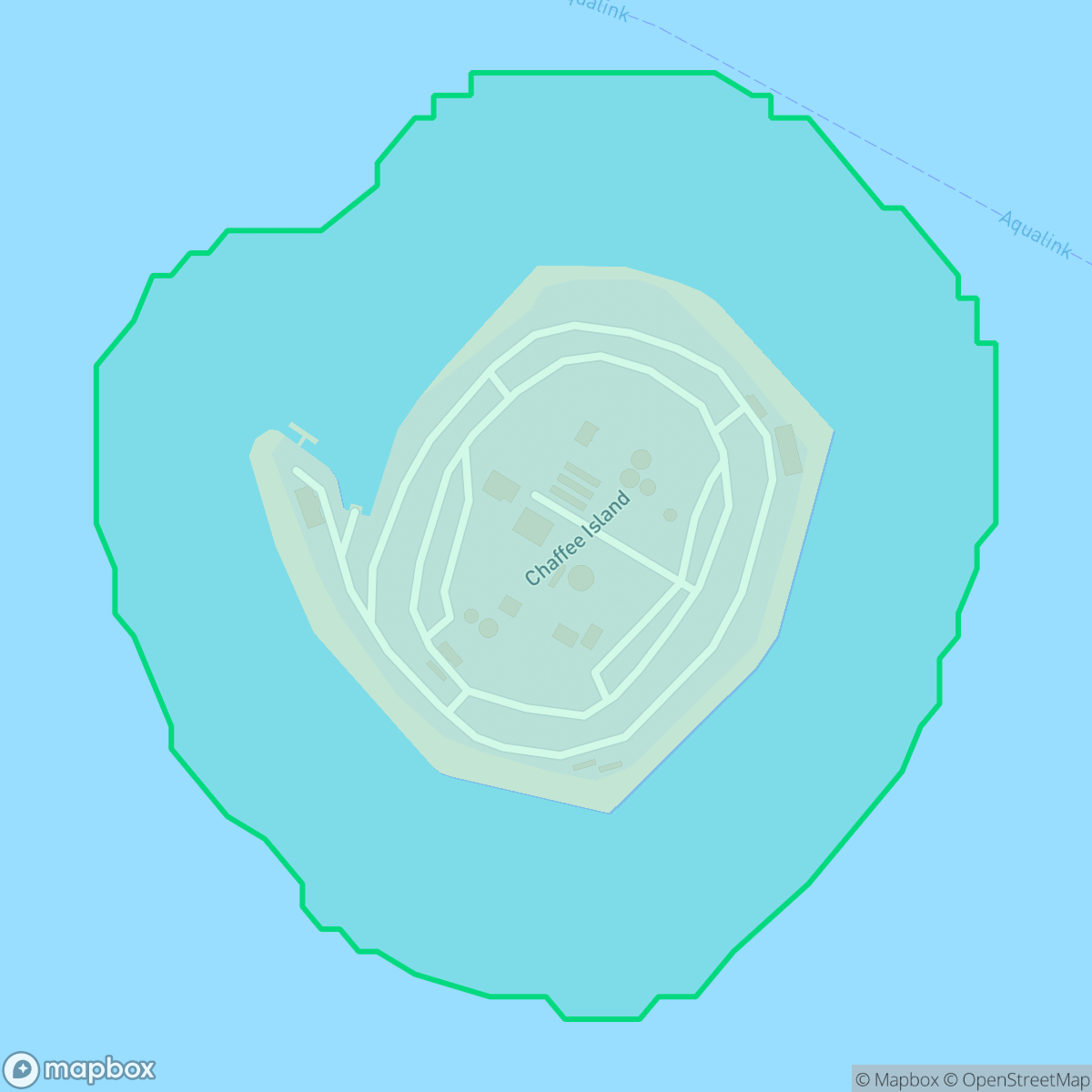
Island Chaffee is one of four artificial islands in San Pedro Bay, collectively known as the THUMS Islands, constructed in 1965 to facilitate extraction from the East Wilmington Oil Field. In 1967, the island was named in honor of astronaut Roger B. Chaffee, who perished in the Apollo 1 fire. Designed by landscape architect Joseph Linesch, who also worked on Disneyland, the island features innovative aesthetic elements—including palm trees, waterfalls, and sound-dampening structures—originally intended to camouflage industrial drilling rigs and harmonize with the Long Beach coastline. Operated by the THUMS consortium, the island remains a unique example of mid-century industrial engineering and urban beautification, standing as a distinct, restricted landmark within the Long Beach Harbor that serves both as a functional oil production site and a tribute to the American space program.
The area functions as a specialized industrial site, characterized by its artificial construction and intentional landscaping designed to blend with the coastline. Unlike the dense urban grid of mainland Long Beach, this location provides a spacious, semi-rural environment defined by its limited population and expansive, undeveloped surroundings. According to iHuus data, the area maintains a more balanced demographic profile than many other parts of the city, supporting a mix of age groups despite its industrial primary purpose.
While the air quality remains generally clean, the neighborhood is situated within a high-risk floodplain, making flood preparedness a critical factor for the area. The restricted nature of the island makes it an unconventional residential choice, best suited for those who value specialized industrial history and a quiet, isolated environment over proximity to traditional city amenities.
Neighborhood Scores Across 15 Qualities
Open land and scattered homes provide a more spacious, semi-rural atmosphere than most of Long Beach. According to iHuus data, this area features more frequent greenery and undeveloped space compared to the city average.
Air quality in this area remains mostly clean with rare instances of elevated readings, though it is slightly lower than the Long Beach average according to iHuus data.
Residents live alongside a varied mix of young professionals, families, and seniors. This demographic distribution is more balanced than the typical profile found across Long Beach, according to iHuus data.
Located within a designated floodplain, this area carries a significantly higher risk of flooding than most of Long Beach. Residents should be aware that flood insurance is typically a requirement for properties in this zone.
Address-Level Insights for Island Chaffee


iHuus Neighborhood Intelligence Insights
Get address-level neighborhood insights for Island Chaffee
- Street-level scores — see how individual blocks compare, not just neighborhood averages
- Micro-zone boundaries — identify quiet pockets, flood boundaries, and walkable clusters before you visit
- 15 dimensions in full — walkability, noise, air quality, school quality, insurance coverage, population age profile, urban/rural index, and more
- Boundary risk alerts — know if your address sits near a block boundary where scores drop, the kind of detail no listing will ever mention
- School insights — individual school ratings and insights, not just district-level data
- Compare before you commit — side-by-side data across neighborhoods, down to block precision
No credit card required
Compare with Any Neighborhood
| Dimension | Island Chaffee | Airport Area |
|---|---|---|
| 🚶 Walkabilityavg 9.37 | ||
| 🔊 Acoustic Comfortavg 3.04 | ||
| 🤫 Privacy Indexavg 3.63 | ||
| 🎨 Visual Appealavg 6.3 | ||
| 🐕 Dog Friendlinessavg 5.35 | ||
| 🗺️ Urban-Rural Indexavg 6 | ||
| ✨ Neighborhood Vibeavg 5.01 | ||
| 🏥 Health Insurance Coverageavg 6.4 | ||
| 🌿 Air Qualityavg 8.69 | ||
| 🏭 Industrial Proximityavg 8.14 | ||
| 🌊 Flood Safetyavg 3.75 | ||
| 🗳️ Ideological Leanavg 9.2 | ||
| 👥 Population Age Profileavg 4.81 | ||
| 🔥 Fire Safety | ||
| 🏫 School Quality |