The Alhambra, Alhambra
Updated · 298 residents
The Alhambra is a quiet, suburban enclave in northeast Alhambra that blends residential streets with pockets of light industrial activity. While the area offers a stable environment with high health insurance coverage, residents should expect moderate noise levels from road traffic and limited walkability compared to the rest of the city.
Key Highlights
About The Alhambra
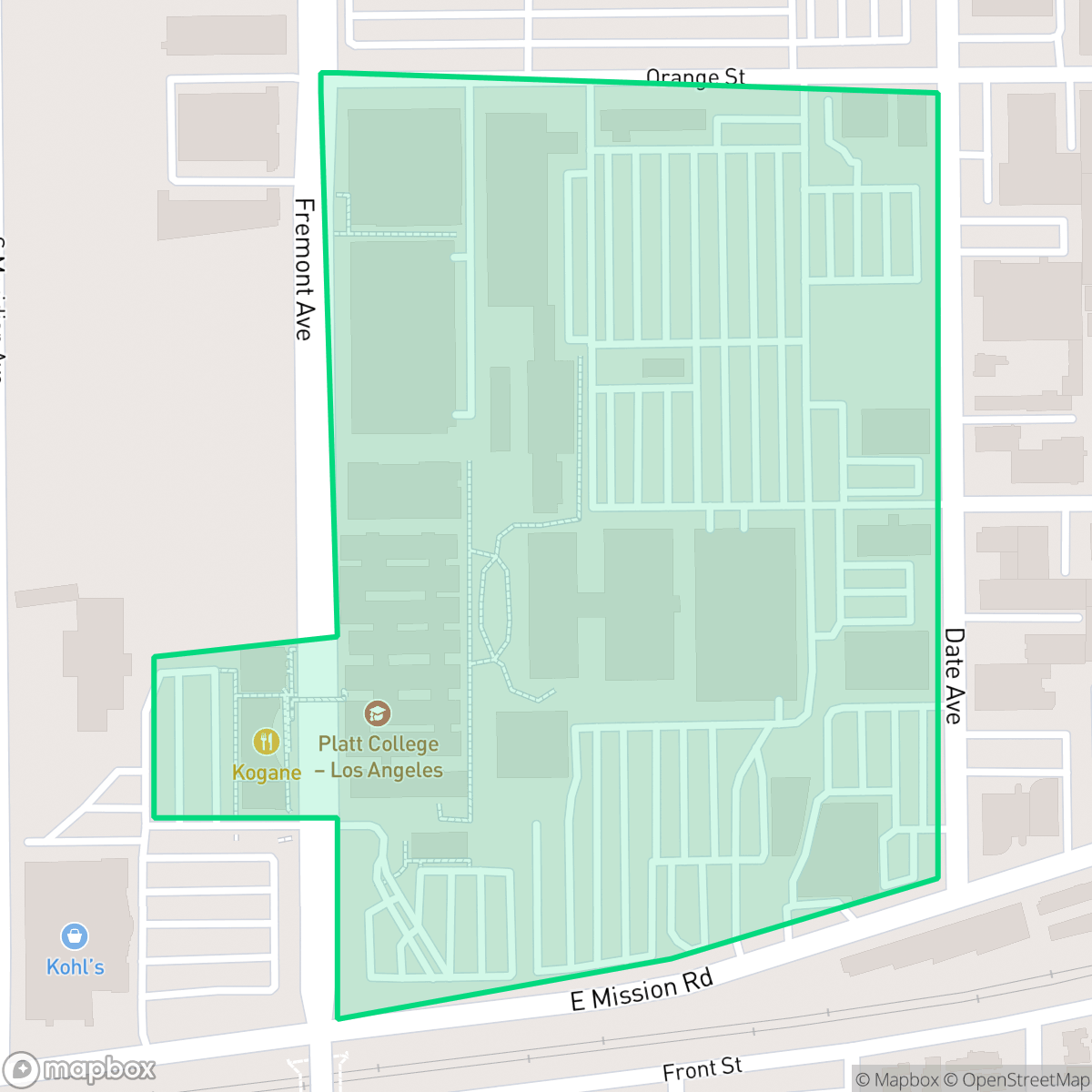
Surveyed in 1874 by Southern California pioneer Benjamin Wilson and his son-in-law J. De Barth Shorb, the Alhambra Tract was the city's founding neighborhood. It made history as the first subdivision in California to feature water piped directly to each lot using iron pipes. Located in northeast Alhambra, the tract was named at the suggestion of Wilson's daughters, who were inspired by Washington Irving’s book, *Tales of the Alhambra*. Its original streets featured Spanish-themed names like Granada, Almansor, and Boabdil (later renamed Main Street). Initially developed with orchards, pepper trees, and flowers, the historic neighborhood features notable Victorian Italianate architecture, including the historic home of Shorb and his wife, Maria.
This neighborhood serves as a quiet residential pocket that maintains a balance between suburban living and light industrial utility. The area is characterized by consistent infrastructure and is served by the high-performing Alhambra Unified School District, which provides strong educational support for local families. According to iHuus data, the neighborhood benefits from excellent health insurance coverage among its residents, contributing to a stable community profile and high standards of local wellness.
The neighborhood presents a specific set of trade-offs for prospective residents. While it offers a calm atmosphere, the area experiences moderate noise from road traffic and has limited walkability. Prospective buyers should note that the area faces challenges regarding flood and fire safety, and the proximity to mixed-use zones means that daytime commercial traffic is a common occurrence. It is best suited for those who prioritize school district stability and community health resources over high-density urban amenities.
Neighborhood Scores Across 15 Qualities
Residential spacing is typical for the area, featuring a mix of apartment blocks with shared walls and houses positioned close to one another. According to iHuus data, the level of separation between neighbors is roughly consistent with the city average.
A continuous sidewalk network on most residential streets ensures safe pedestrian travel, though some commercial areas may present more significant traffic barriers. This level of walkability is slightly below the city average according to iHuus data.
Standard tract housing defines the area with uniform rooflines and small yards. This visual landscape is slightly below the Alhambra city average according to iHuus data.
Limited public park access and narrow street verges make outdoor exercise for pets more challenging than in other parts of the city. According to iHuus data, greenery is primarily restricted to private backyards and narrow sidewalks.
Residential streets and green spaces exist in roughly equal measure, though the area feels slightly more dense and urbanized than the city average. The landscape features a blend of single-family homes, multi-story apartments, and nearby industrial blocks, according to iHuus data.
The area offers a calm, low-energy atmosphere characterized by suburban streets and light industrial zones. According to iHuus data, the local vibrancy is lower than the city average, as most dining and retail options are spread out and often require a vehicle to access.
Frequent sounds from nearby railroad tracks and heavy freeway traffic characterize this area. According to iHuus data, acoustic comfort is slightly lower than the Alhambra average.
Air quality remains consistently high with rare instances of elevated readings. According to iHuus data, the air quality in this area is slightly better than the average for Alhambra.
Light industrial zones and large warehouses are integrated with residential areas, resulting in daytime traffic and noise levels that are roughly consistent with the city average. Some parts of the neighborhood also sit near the edge of a known EPA Superfund site.
Health insurance enrollment is high within this area, staying relatively close to the city average according to iHuus data.
Voting patterns and census indicators show a predominantly liberal leaning, which is slightly more pronounced here than the Alhambra city average.
Residents live alongside a balanced distribution of young adults, families, and seniors. This demographic spread is largely in line with the broader Alhambra area, according to iHuus data.
Address-Level Insights for The Alhambra


iHuus Neighborhood Intelligence Insights
Get address-level neighborhood insights for The Alhambra
- Street-level scores — see how individual blocks compare, not just neighborhood averages
- Micro-zone boundaries — identify quiet pockets, flood boundaries, and walkable clusters before you visit
- 15 dimensions in full — walkability, noise, air quality, school quality, insurance coverage, population age profile, urban/rural index, and more
- Boundary risk alerts — know if your address sits near a block boundary where scores drop, the kind of detail no listing will ever mention
- School insights — individual school ratings and insights, not just district-level data
- Compare before you commit — side-by-side data across neighborhoods, down to block precision
No credit card required
The Alhambra Rankings
School Districts Serving The Alhambra
School Insights for The Alhambra
Below average outcomes; significant attendance and academic challenges.
School Insights
See what's really behind every school rating near The Alhambra
- Individual school ratings — each school's own score with outcome context, not just a district average
- Enrollment & class size data — student-to-teacher ratio and how it compares to the state average
- Full demographics breakdown — ethnicity and gender composition for every school in the enrollment zone
- Every school in the district — all schools within the enrollment boundary ranked by rating, not just the closest one
- Grade levels & benchmarks — elementary through high school, with below/above state-average flags
No credit card required